Focus On
- All
- Climate Change
- A Nation's Success or Failure
- What is Life?
- International Politics
- The Philosophy of Living
- WAR
- Neuroscience
- Management: The Survival Strategy
- All About the Universe
- Nobel Minds: Insights from Six Laureates
- Sustainable Environment: Saving Mother Nature
- TO BE FREE
- Understanding Money
- The Ideal Path for Humanity
- A Future Created by AI
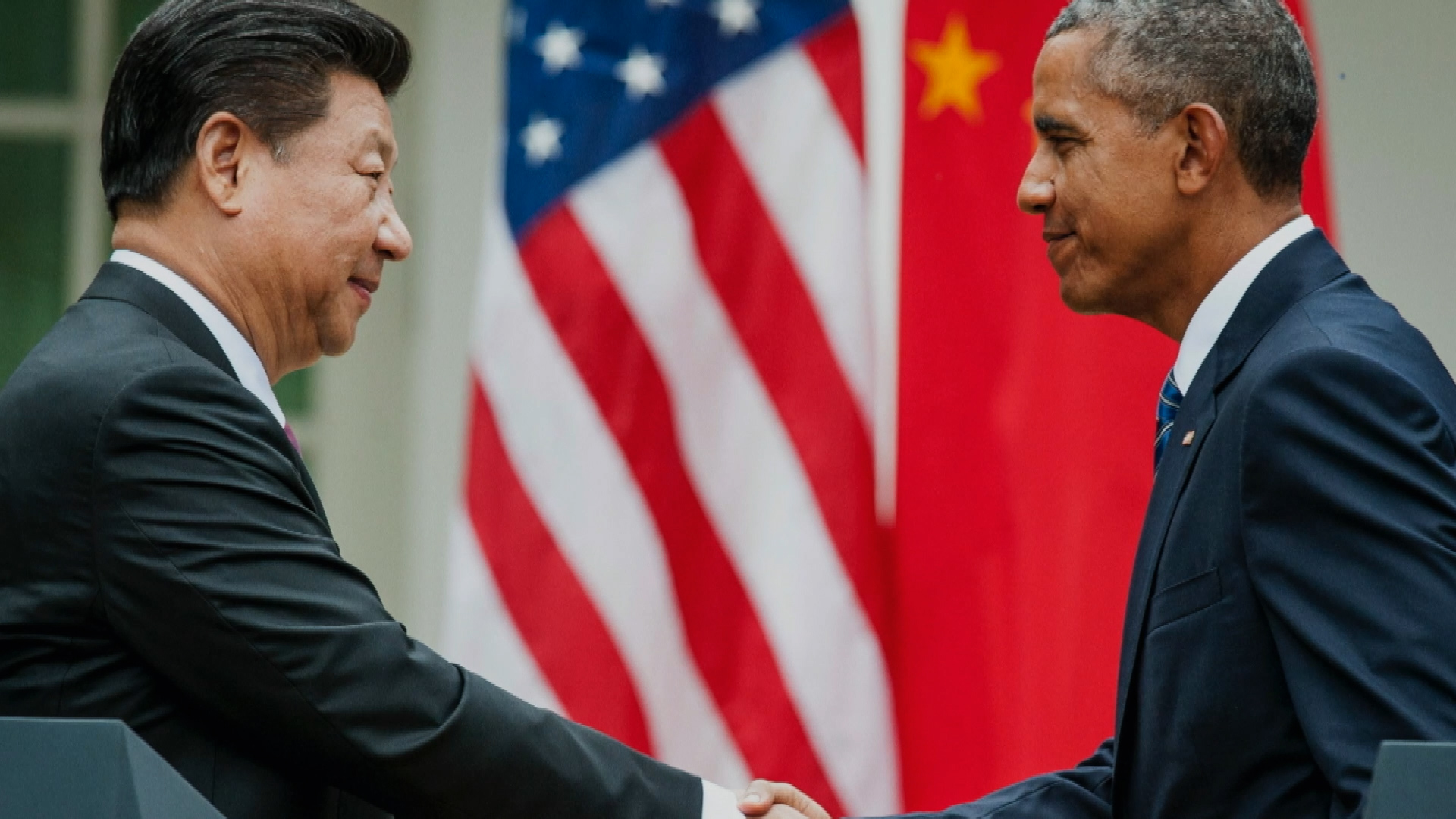
In an age of accelerating globalization, politics transcends national boundaries.
Dive into the realm of international politics, a subject growing ever more crucial for each of us.
Engage with renowned experts including Joseph S. Nye, Vinod Aggarwal, Stephen Krasner, Adam Przeworski, Stephen M. Walt, and Beth A. Simmons as they navigate the complexities of global political dynamics.
- What Makes a True Leader?
- The Global Trade War
- Does Wealth Bring Democracy?
- Conundrums of Democracy
- The Realist’s Guide to International Politics
- The International Human Rights Odyssey
- How Democracies Die
What Makes a True Leader?
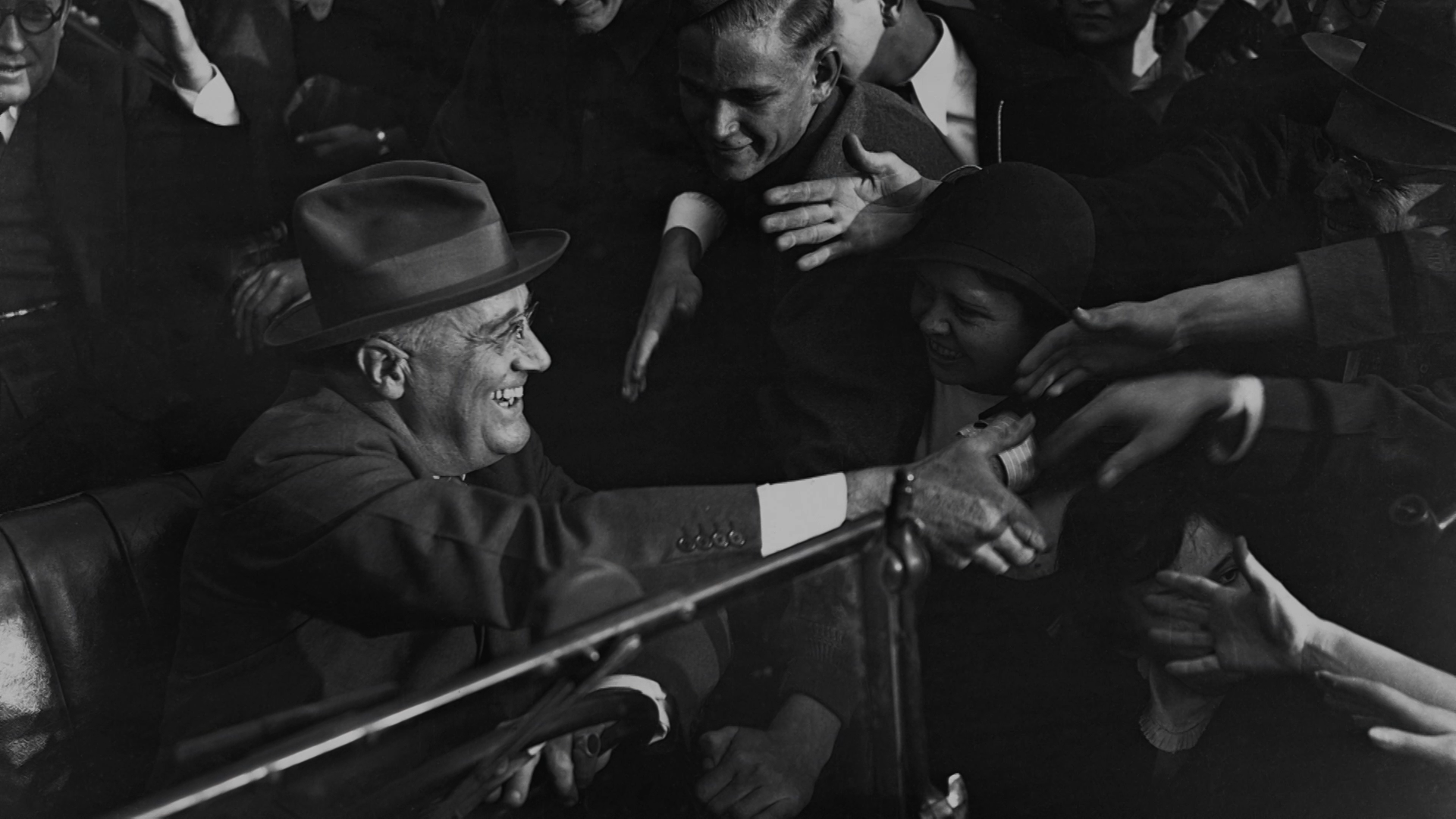
Joseph S. Nye Jr. provides us with clear and insightful lectures to show us the ways to find a leader, the skills of leadership, the ethics of leaders, and the attributes of global leaders. During his early days in the political realm, he mused over “how to get people to follow someone,” realizing that a certain type of power is the ability to move the minds of others without using coercion.

Joseph S. Nye
Joseph S. Nye Jr. is an American political scientist. He served as Dean of the Harvard Kennedy School (1995-2005) which is a position renowned for nurturing leaders. He was also simultaneously a witness to the inner workings of the American government. He began his political career as Deputy Undersecretary of State for the Jimmy Carter administration (1977), then served as Assistant Secretary of Defense for International Security Affairs and Chair of the National Intelligence Council for the Bill Clinton administration (1994), and as a Foreign Policy Committee Member for the Barack Obama administration (2009). And he is currently serving as a Trustee at the Center for Strategic and International Studies (CSIS), a think tank for foreign policy studies. Based on his experience in politics and academia, he coined the “soft power” concept, which is the ability to persuade others to achieve outcomes and gain political power without the use of force or coercion. Later on, “soft power” became a core policy for culture, economics, and diplomacy during the Clinton and Obama administrations.
Joseph Nye was recognized for this and was ranked as “One of the Most Influential International-Relations Scholars” by Foreign Policy in 2014.
As a lifelong scholar of leadership, his question directed at us is simple: “Who is a True Leader?” Joseph S. Nye Jr.’s lectures are about the ways to find a leader, the skills of leadership, the ethics of leaders, the attributes of global leaders, and are full of clear yet insightful contents.

The Global Trade War
The US-China Technological Hegemon Struggle
Vinod K. Aggarwal
Vinod K. Aggarwal received a PhD in international political economy from Stanford University and is Distinguished Professor and holds the Alann P. Bedford Endowed Chair in the Department of Political Science; Affiliated Professor at the Haas School of Business; Director of the Berkeley Asia Pacific Economic Cooperation Study Center (BASC); and Fellow in the Public Law and Policy Program at Berkeley Law School, all at the University of California at Berkeley. He also serves as editor-in-chief of the journal Business and Politics.
With over 40 years’ worth of experience and knowledge in international politics and economics, Aggarwal has served as an advisor to multinational corporations, governments, and international organizations such as the Mexican government, U.S. Department of Commerce, U.S. Department of Defense, U.S. Department of State, World Trade Organization, OECD, G30, FAO (Food and Agriculture Organization), IFAD (International Fund for Agricultural Development), ILO (International Labor Organization), ASEAN, and World Bank.
He has authored or edited 21 books. He has two forthcoming books: Great Power Competition and Middle Power Strategies and the Oxford Handbook on Geoeconomics and Economic Statecraft. He has also published over 160 articles and book chapters.
Does Wealth Bring Democracy?
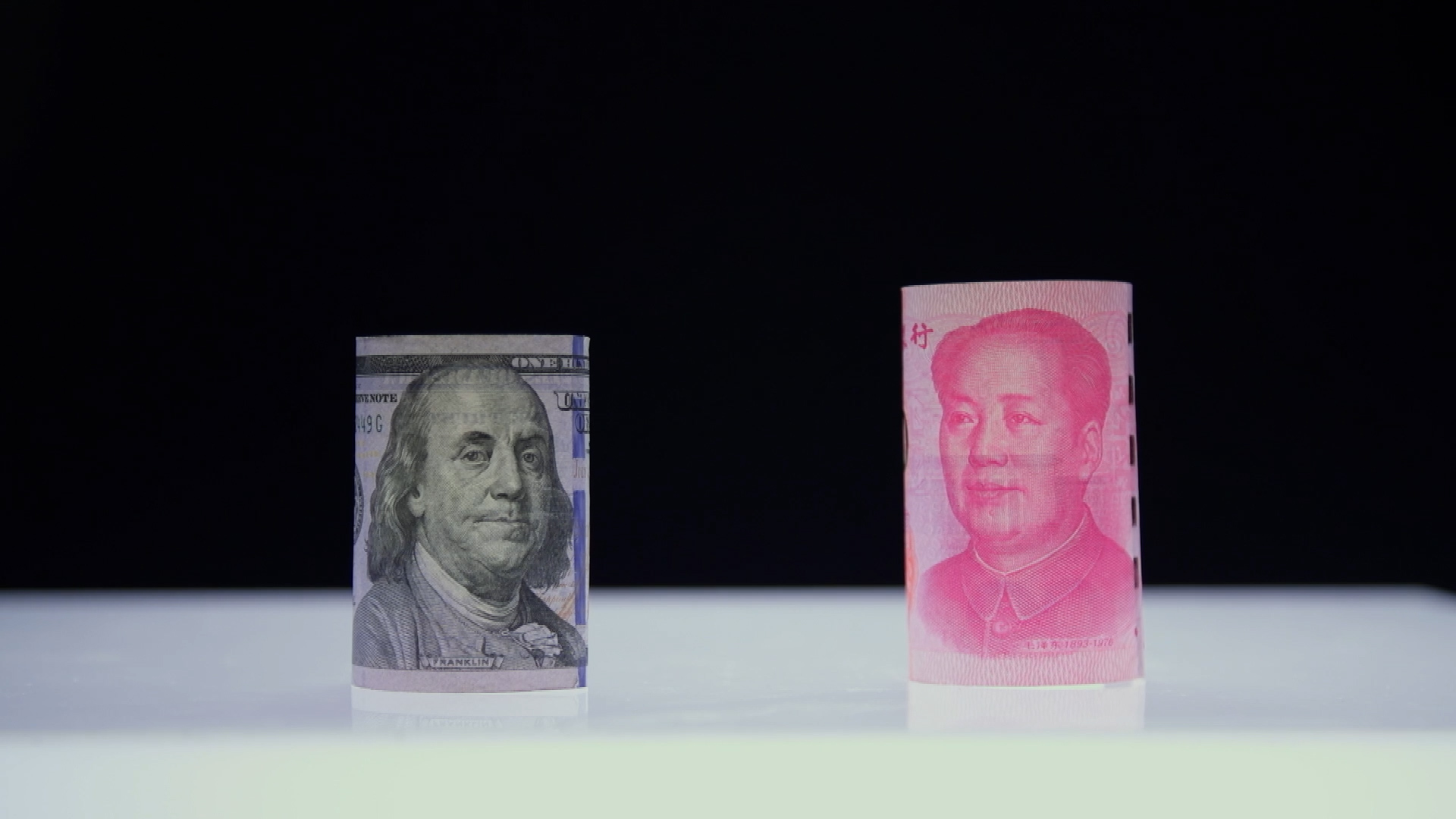
The Relationship between Wealth and Democracy and the Future of China
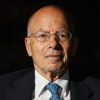
Stephen Krasner
Stephen Krasner got his PhD in Politics at Harvard University and has been a professor of international relations at Stanford University since 1981. He is currently a Senior Fellow at the Freeman Spogli Institute for International Studies and the Hoover Institution. He also served at the State Department, taking on the roles of the Director of Policy Planning (2005-2007), a member of the International Security Advisory Board (2008-2009), and a member of the Foreign Policy Advisory Board (2011-2013).
As a scholar and key figure in the State Department, Stephen Krasner has studied the relationship between wealth and democracy for the past four decades and is regarded as an influential authority on international relations.
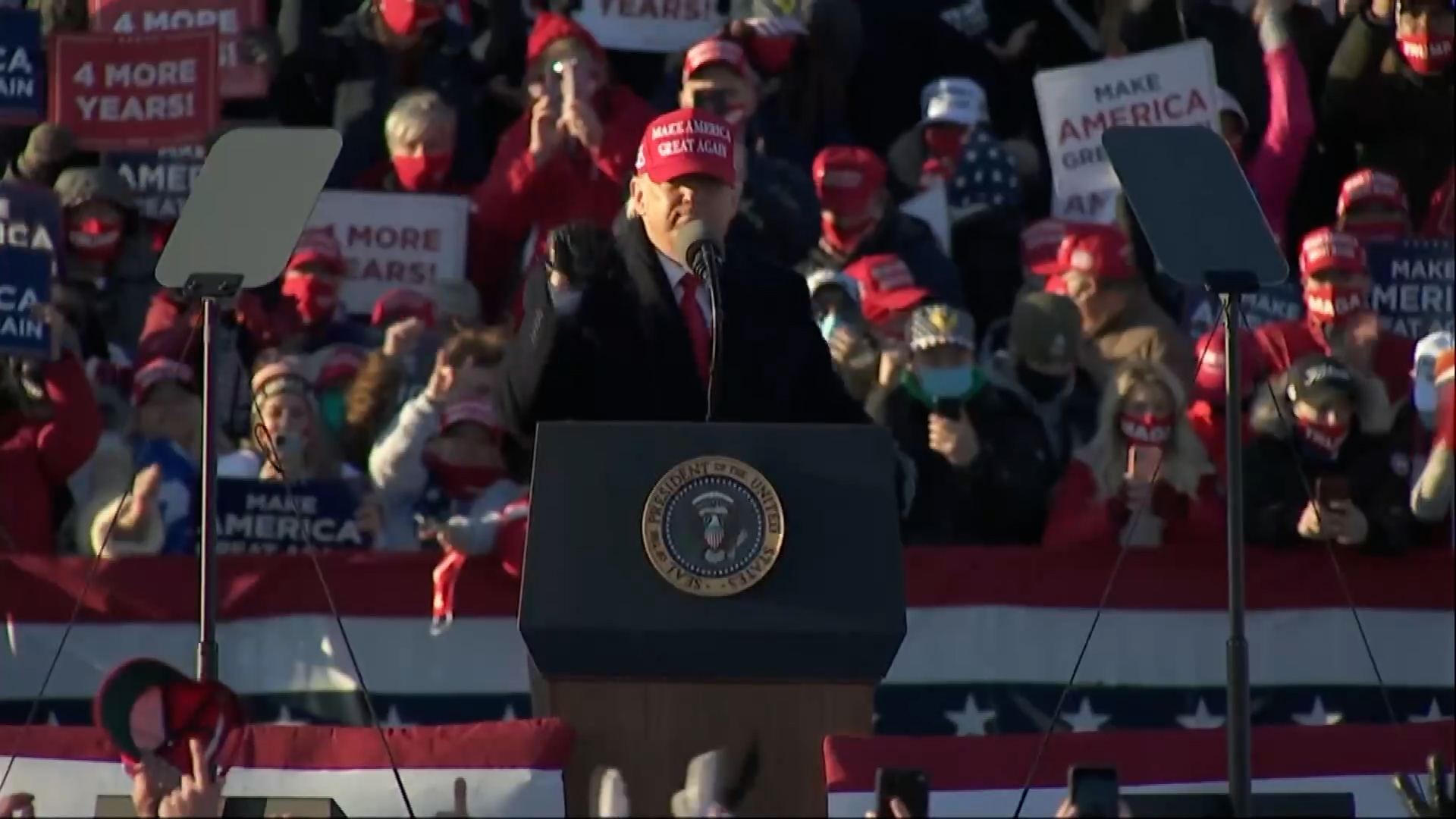
Conundrums of Democracy
We live in a world that takes democracy for granted. However, democracy is still surrounded by numerous controversies. In this lecture series, Adam Przeworski asks five questions about democracy, explaining his research and ideas.

Adam Przeworski
Adam Przeworski gained fame for his research on the process of the democratization wave, which swept through the world in the late 1970s. Even more surprising, the master of democracy research had never experienced democracy while growing up.
He was born in Poland during Nazi rule, escaped Communist Poland in the early 1960s, and lived under military dictatorship in Santiago, Chile, around 1970, after which he began to study democracy. Przeworski conceptualizes and explores the conundrums of democracy, such as what kind of influence the business world has on politics and why democracy leads to continued pain and inequality.
In 2010, he received the Johan Skytte Prize, also known as the Nobel Prize of political science, and in 2018, he was awarded the Juan Linz Prize by the International Political Science Association. He is the author of Paper Stones, Democracy and the Market, and many more works of international acclaim.
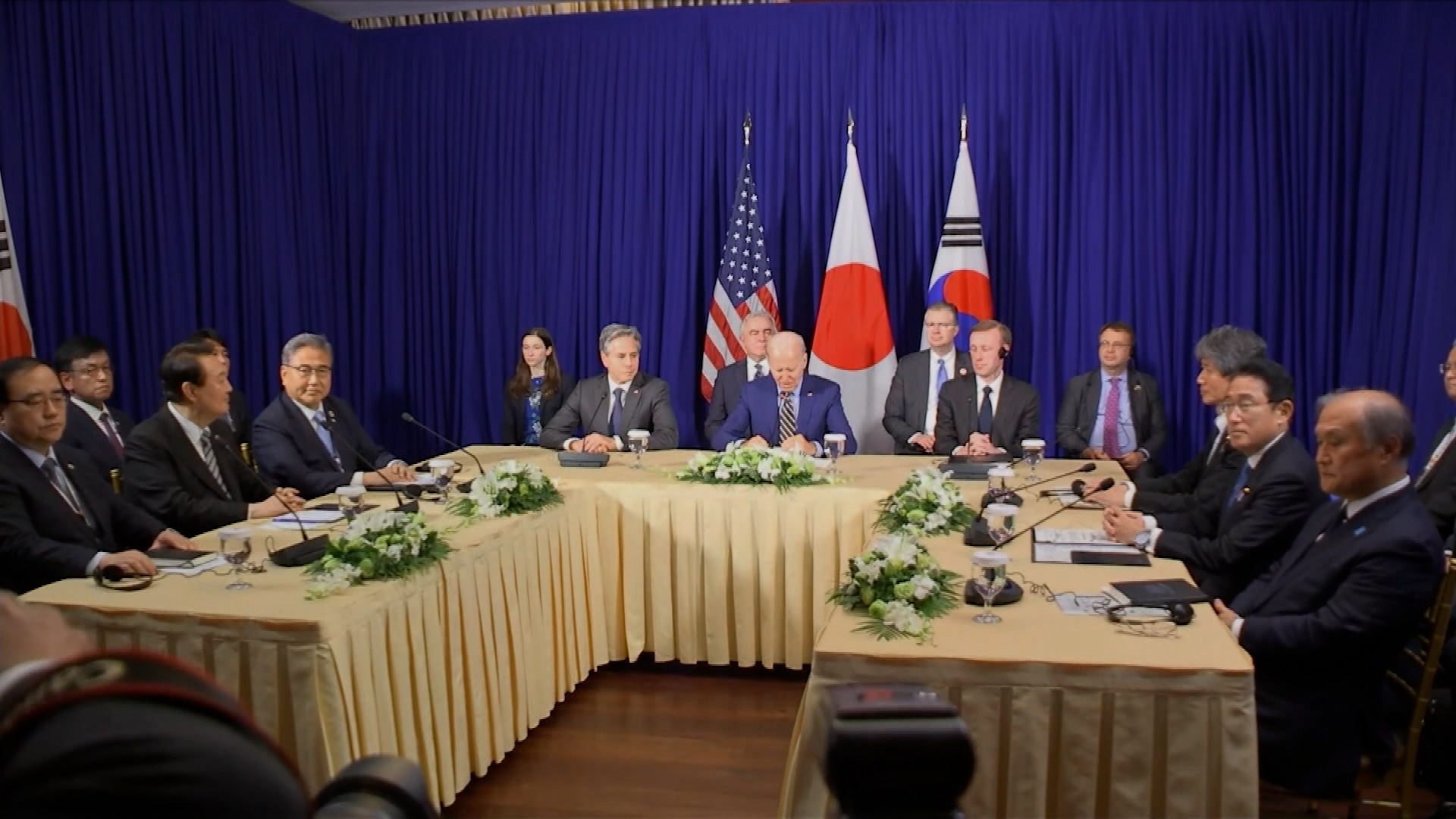
The Realist’s Guide to International Politics
“International politics is a self-help world.” The international situation seen from the cold realist perspective
A lecture from Professor Stephen Walt of Harvard, the superstar of realist school of international relations
Stephen M. Walt
Stephen Walt is an American political scientist who teaches international relations at the Harvard Kennedy School and has been focusing on political realism for nearly 40 years. Expanding upon the idea of a “balance of power” that the existing realism theory emphasized, Walt suggested the "balance of threat" theory, which posits that states form alliances not against powerful countries but those that are threats.
He says that the US’s position as the global superpower is becoming unstable because of faulty foreign policy and advocates that it return to its “offshore balancing” strategy. He writes columns analyzing the international situation for Foreign Policy, the prominent international relations journal, and is the author of The Origins of Alliances, Revolution and War, and The Hell of Good Intentions: America's Foreign Policy Elite and the Decline of U.S. Primacy.
The International Human Rights Odyssey
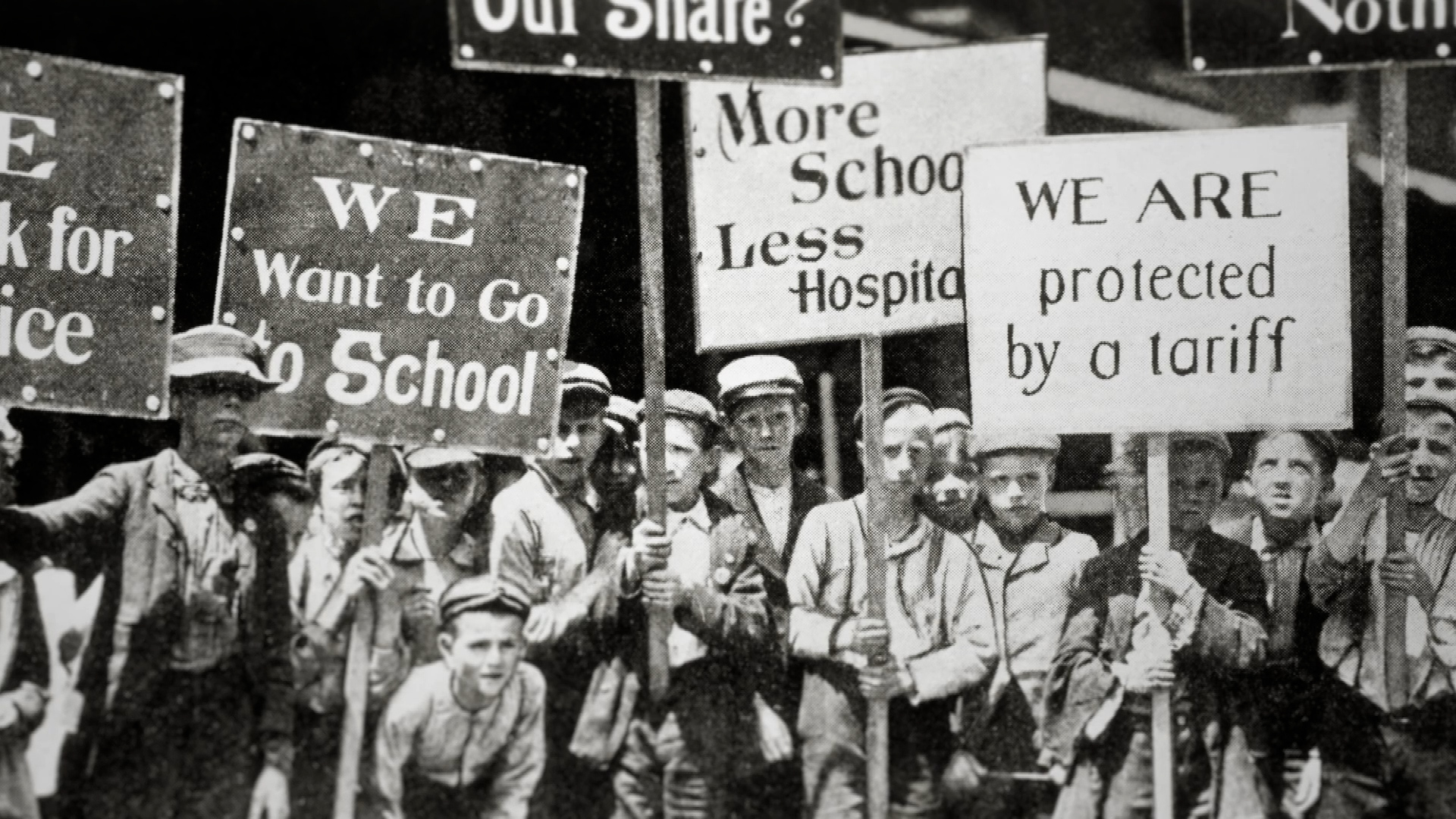
“The International Human Rights Odyssey” looks back on the history of human rights and how the fight for human dignity overcame an unequal and oppressive system.

Beth Simmons
Beth Simmons is a professor of political science and law at the University of Pennsylvania. Simmons, who teaches international relations, international law, and international political economy, gained attention in academia with her research on international political economy during the interwar years and international law’s influence on human rights outcomes around the world.
Her 2009 book, Mobilizing for Human Rights: International Law in Domestic Politics, was awarded the Woodrow Wilson Prize, given to the best book of the year by the American Political Science Association, and chosen as the book of the year by the International Social Science Council and the International Studies Association in 2010.
Professor Simmons is still active in the field, currently researching informal governance mechanisms in international affairs and international border issues. Her recent and current research has been supported by the Carnegie Foundation, the Guggenheim Foundation, and the Smith Richardson Foundation.
How Democracies Die
A
world-leading political scientist at the forefront of contemporary democracy
research

Daniel Ziblatt
Daniel
Ziblatt is an American political scientist, Professor of Government at Harvard
University, and Director of the WZB Berlin Social Science Center in Germany.
Having spent decades studying the structural mechanisms by which democracies
collapse, he explains the crisis of democracy not through external threats but
through the internal logic of democratic systems themselves — an approach that
has established him as one of the most influential political scientists of our
time. His major works include Conservative Parties and the Birth of Democracy
(2017) and, co-authored with Steven Levitsky, How Democracies Die (2018) and
Tyranny of the Minority (2023), offering essential insights into the worldwide
crisis of democracy.
Service Change Notice
As of April 3, 2024, GREAT MINDS is now operated by Ubion CO LTD.
As a result, there is a change in membership, so We’re informing you.
Discontinuation of Membership Subscription Auto-Renewal
Memberships subscribed before April 3rd will not automatically renew and will expire. Therefore, if you wish to continue using the membership, please proceed with the subscription after the expiration of the subscription.Increase in Membership Subscription Prices
The prices of membership subscriptions have been increased due to rising labor and material costs. We sincerely appreciate your understanding regarding this price adjustment.| Before | After | |
|---|---|---|
| Monthly Membership | $ 4.99 | $ 9.99 |
| Annually Membership | $ 49.99 | $ 99.99 |
* The won price of the monthly/annual membership for Koreans has risen to 12,000 won and 120,000 won, respectively.
Thank you for your understanding
If you have any further inquiries, Contact Us
Service Update
Global lecture, G is becoming Grecture.
Expanded AI feature are powering the next evolution of the service.
Effective January 2, 2026
Domain: https://www.grecture.com
Automatic redirection will be provided.
Subscription:
Price changes from $9.99 to $15.
Auto-renewal will end. Please resubscribe to continue.
Thank you for being with us.