Focus On
- All
- Climate Change
- A Nation's Success or Failure
- What is Life?
- International Politics
- The Philosophy of Living
- WAR
- Neuroscience
- Management: The Survival Strategy
- All About the Universe
- Nobel Minds: Insights from Six Laureates
- Sustainable Environment: Saving Mother Nature
- TO BE FREE
- Understanding Money
- The Ideal Path for Humanity
- A Future Created by AI
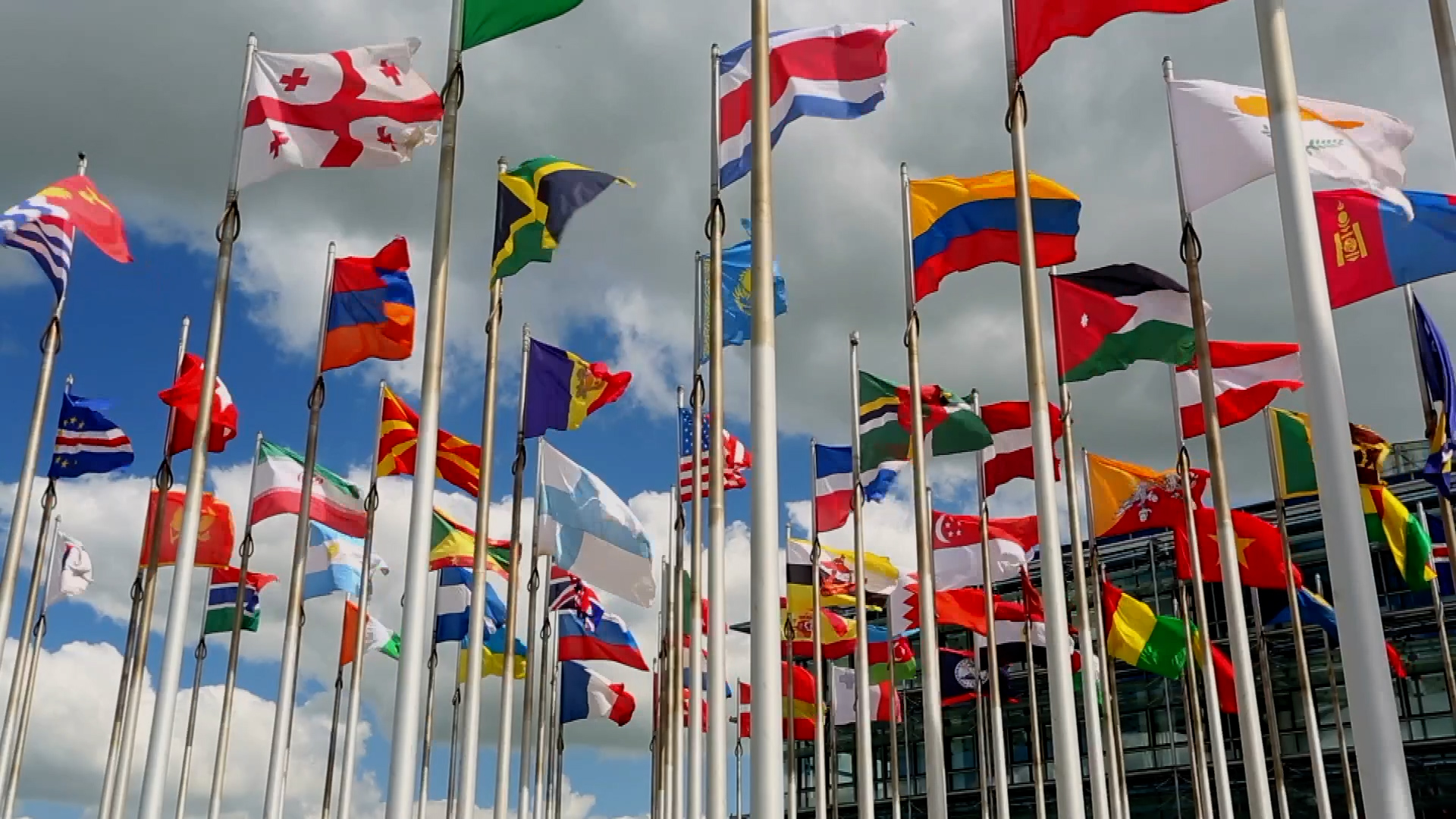
Delve into the dynamics of a nation's ascent and decline!
What truly distinguishes developed nations from developing ones, and what drives these disparities? How have current superpowers like the United States and China ascended to their eminent positions?
Be a part of a series of enlightening lectures that offer insightful answers to these thought-provoking questions.
- The Entrepreneurial State
- Why Nations Fail
- The Rise and Fall of the Great Powers
- The Global Trade War
The Entrepreneurial State
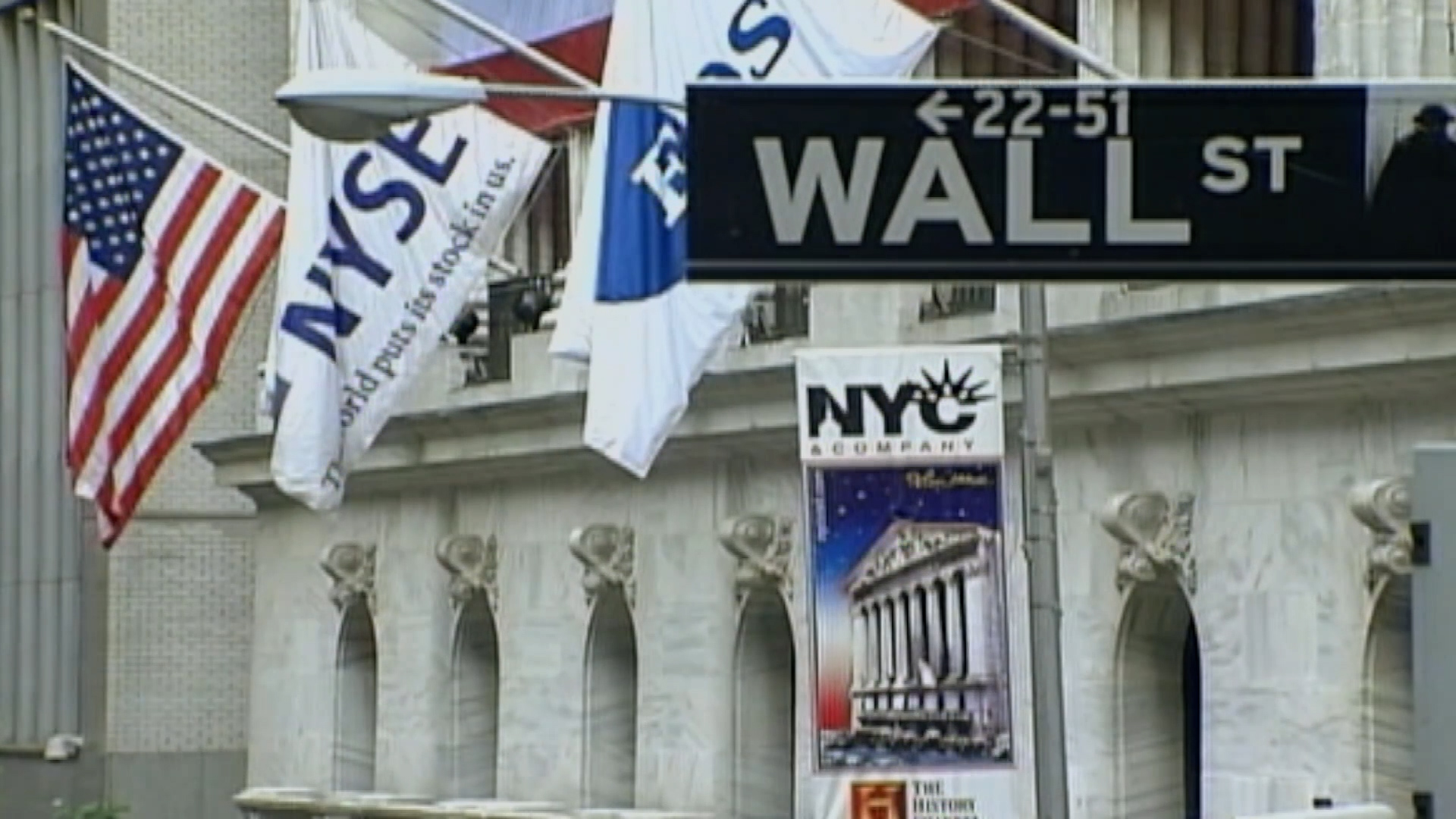
Where does innovation come from? Many would say it comes from the private sector. This is a sizable myth that has been built up around Big Tech and multinational corporations about how they drive economic growth and bring about innovation. Mariana Mazzucato challenges this idea by asking who truly creates wealth and who extracts it.

Mariana Mazzucato
Mariana Mazzucato is Professor in the Economics of Innovation and Public Value at University College London, where she is Founding Director of the UCL Institute for Innovation & Public Purpose. She is winner of international prizes including, the 2020 John von Neumann Award, the 2019 All European Academies Madame de Staël Prize for Cultural Values, and 2018 Leontief Prize for Advancing the Frontiers of Economic Thought. She was named as one of the '3 most important thinkers about innovation' by The New Republic, one of the 50 most creative people in business in 2020 by Fast Company, and one of the 25 leaders shaping the future of capitalism by WIRED.
She is the author of four highly-acclaimed books: The Entrepreneurial State: Debunking Public vs. Private Sector Myths (2013), The Value of Everything: Making and Taking in the Global Economy (2018), Mission Economy: A Moonshot Guide to Changing Capitalism (2021), and most recently The Big Con: How the Consulting Industry Weakens our Businesses, Infantilizes our Governments and Warps our Economies (2023). She advises policymakers around the world on innovation-led inclusive and sustainable growth. Her current roles include being Chair of the World Health Organization's Council on the Economics of Health for All, Co-Chair of the Global Commission on the Economics of Water, and the United Nations High-level Advisory Board (HLAB) on Economic and Social Affairs, among others.
Why Nations Fail
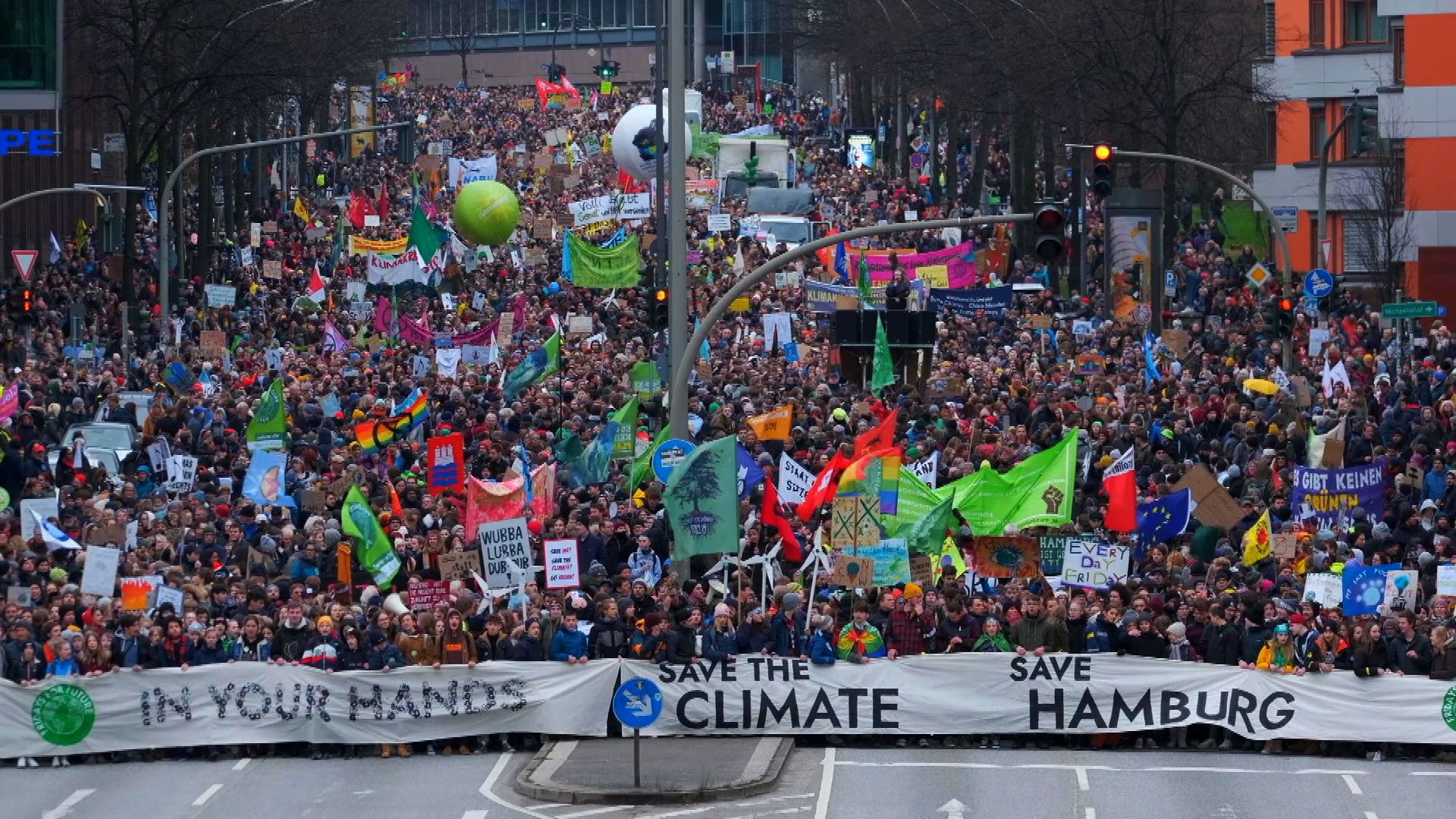
MIT Economist Daron Acemoglu's Analysis of What Drives Nations to Succeed or Fail.

Daron Acemoglu
Daron Acemoglu is an American economist, a professor of economics at MIT, and a recipient of the John Bates Clark Medal, a prestigious award for excellent economists under forty. In <Why Nations Fail>, a co-authored book with James A. Robinson, Daron Acemoglu sheds light on the “decisive difference” that determines whether a country becomes rich or poor. Based on historical and modern evidence, this bestseller was praised as a new “The Wealth of Nations.” In his follow-up book, Narrow Corridor, he analyzed the political reasons causing that “decisive difference,” shedding more light on this fascinating topic.
Professor Acemoglu has accumulated a wealth of knowledge of the economic and political power gap between nations, earning him praise from international scholars and leaders such as Jared Diamond, Francis Fukuyama, Neil Ferguson, Mark Zuckerberg, and Bill Gates.
The Rise and Fall of the Great Powers
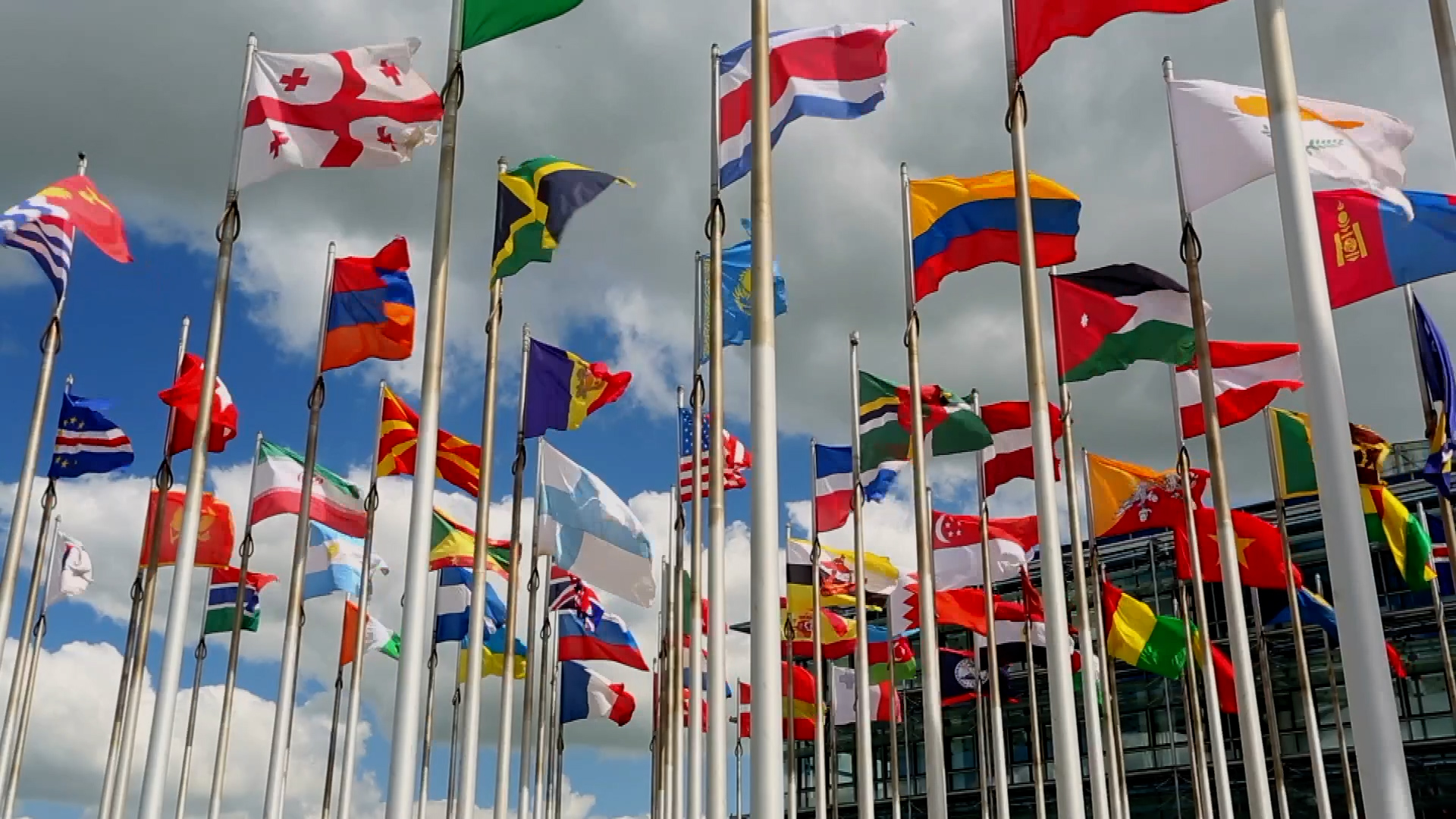
The Conditions that Created and Destroyed the Great Powers

Paul Kennedy
Paul Kennedy is a British historian who majored in military history. Since 1983, he has lectured at Yale University for nearly four decades. Researching great European powers from the 16th to 20th century, he discovered that the rise and fall of the great powers were determined by the balance of military strength. With this understanding, he predicted the collapse of the Soviet Union, the decline of the USA, and the rise of China in the 21st century.
His book, “The Rise and Fall of the Great Powers,” earned him the Wolfson Prize, called the "Nobel Prize in History". He was selected as one of the Top 100 Public Intellectuals by Foreign Policy in 2005 and is a member of the Royal Society, a Fellow of the British Academy, and the Founding Director of International Security Studies at Yale University.

The Global Trade War
The US-China Technological Hegemon Struggle

Vinod K. Aggarwal
Vinod K. Aggarwal received a PhD in international political economy from Stanford University and is Distinguished Professor and holds the Alann P. Bedford Endowed Chair in the Department of Political Science; Affiliated Professor at the Haas School of Business; Director of the Berkeley Asia Pacific Economic Cooperation Study Center (BASC); and Fellow in the Public Law and Policy Program at Berkeley Law School, all at the University of California at Berkeley. He also serves as editor-in-chief of the journal Business and Politics.
With over 40 years’ worth of experience and knowledge in international politics and economics, Aggarwal has served as an advisor to multinational corporations, governments, and international organizations such as the Mexican government, U.S. Department of Commerce, U.S. Department of Defense, U.S. Department of State, World Trade Organization, OECD, G30, FAO (Food and Agriculture Organization), IFAD (International Fund for Agricultural Development), ILO (International Labor Organization), ASEAN, and World Bank.
He has authored or edited 21 books. He has two forthcoming books: Great Power Competition and Middle Power Strategies and the Oxford Handbook on Geoeconomics and Economic Statecraft. He has also published over 160 articles and book chapters.
Service Change Notice
As of April 3, 2024, GREAT MINDS is now operated by Ubion CO LTD.
As a result, there is a change in membership, so We’re informing you.
Discontinuation of Membership Subscription Auto-Renewal
Memberships subscribed before April 3rd will not automatically renew and will expire. Therefore, if you wish to continue using the membership, please proceed with the subscription after the expiration of the subscription.Increase in Membership Subscription Prices
The prices of membership subscriptions have been increased due to rising labor and material costs. We sincerely appreciate your understanding regarding this price adjustment.| Before | After | |
|---|---|---|
| Monthly Membership | $ 4.99 | $ 9.99 |
| Annually Membership | $ 49.99 | $ 99.99 |
* The won price of the monthly/annual membership for Koreans has risen to 12,000 won and 120,000 won, respectively.
Thank you for your understanding
If you have any further inquiries, Contact Us
Service Update
Global lecture, G is becoming Grecture.
Expanded AI feature are powering the next evolution of the service.
Effective January 2, 2026
Domain: https://www.grecture.com
Automatic redirection will be provided.
Subscription:
Price changes from $9.99 to $15.
Auto-renewal will end. Please resubscribe to continue.
Thank you for being with us.