
Economy
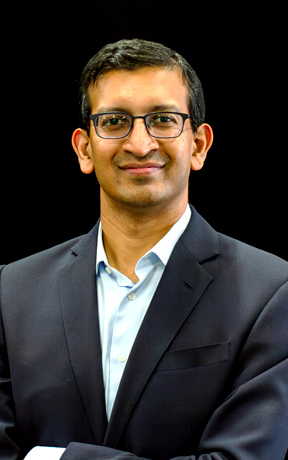
Thomas Sargent
The Power of Money
A lifelong economist’s perspective: “How to understand the economy through the lens of money”
Lesson Plan
- Lesson Length : 5 Lessons ㆍ 1 hours 19 miutes
- Language : 한국어, English, 简体中文, Spanish, French, 日本語
How the flow of money powers the economy.
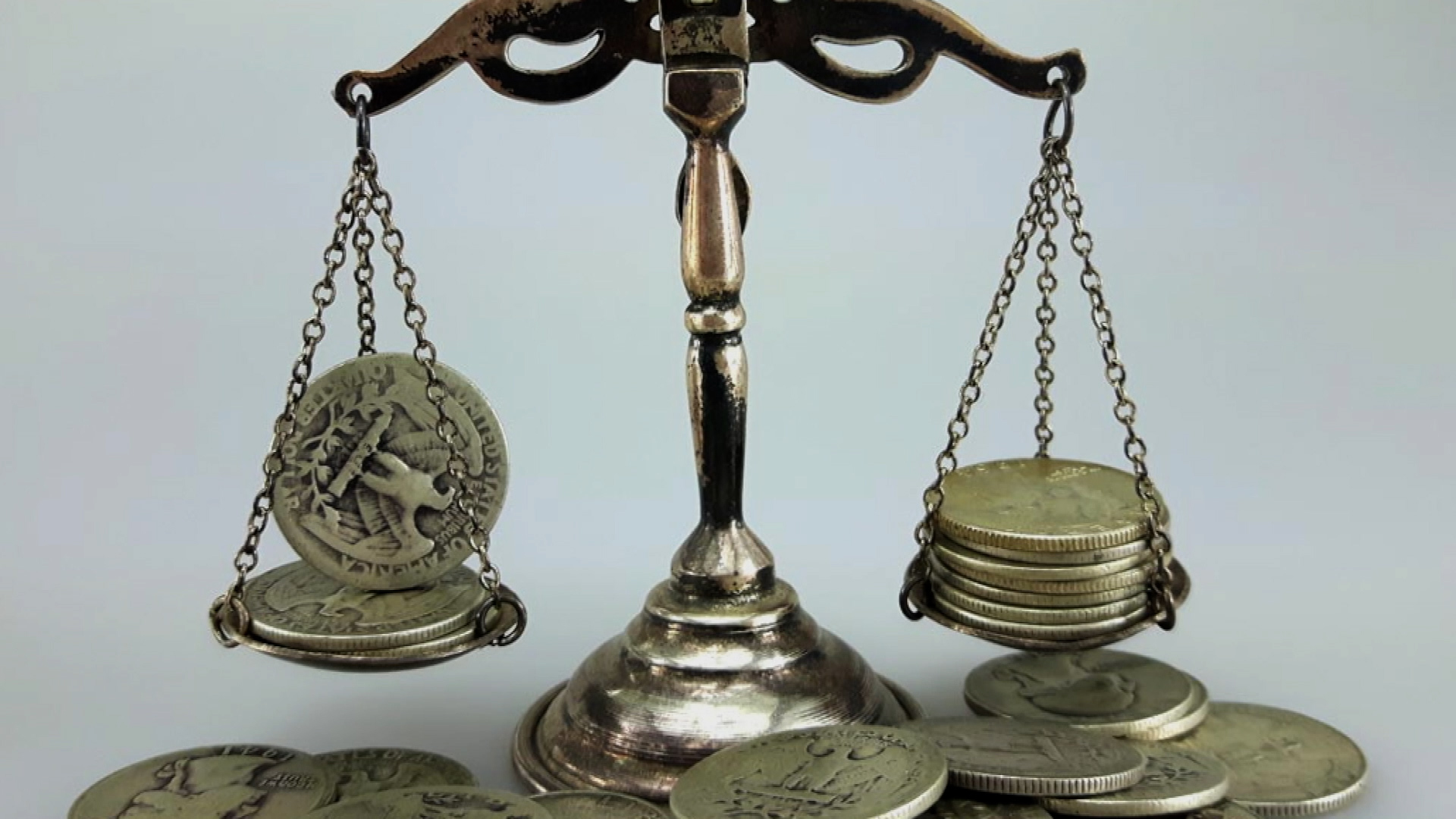
What determines the world’s unemployment, inflation, interest, and exchange rates? It is “money and credit,” answers Thomas Sargent. Humans have been trading goods and services since the beginning of civilization, but it was only 2,500 years ago that money was born. How did financial transactions work before that? And how did the money come into existence?
In this lecture, Dr. Sargent talks about what actually powers the economy and reviews the history of money, from its birth to the development of real money, fiat currency, and even cryptocurrency. The power of money over the economy is not as obvious as we think, and understanding the complexities behind how it has affected the world is critical. For example, governments have profited by monopolizing the issuance of money, but there have been threats to governments’ grip on monetary policy, such as the production counterfeit money. Over time, governments legislated more to solidify their monopoly and counter any threats. Recently, a new movement began to address the weaknesses of the current economy system: the cryptocurrency revolution. Professor Sargent explains how the evolution of money and the money-related power game have immensely affected the economy.
Full Bio
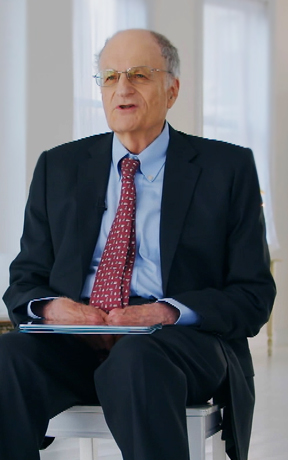
Thomas Sargent
- Nobel Prize in Economic Sciences (2011)
- NAS Award for Scientific Reviewing from the National Academy of Sciences (2011)
- Professor at New York University (2002~)
- Professor at Seoul National University (2012-2013)
- Professor at Princeton University (2009)
- Advisor to the Bank of Korea (2007)
- Professor at Stanford University (1998-2002)
Thomas Sargent is a macroeconomist and expert in monetary economics. In 2011, he received the Nobel Prize in Economic Sciences for furthering the development of the rational expectations theory, which greatly affected the field of macroeconomics.
The theory of rational expectations suggests that it is difficult for the government to achieve its desired effects no matter what economic policy is implemented because people make rational judgments by utilizing all sources of information. This theory suggests a new framework for analyzing changes in government policy and points out the limitations of the Keynesian Economics, which claims that the government can control unemployment, prices, and gross domestic product (GDP). This marked the end of the Keynesian era of economic thought.
Other Series in
Economy

Service Change Notice
As of April 3, 2024, GREAT MINDS is now operated by Ubion CO LTD.
As a result, there is a change in membership, so We’re informing you.
Discontinuation of Membership Subscription Auto-Renewal
Memberships subscribed before April 3rd will not automatically renew and will expire. Therefore, if you wish to continue using the membership, please proceed with the subscription after the expiration of the subscription.Increase in Membership Subscription Prices
The prices of membership subscriptions have been increased due to rising labor and material costs. We sincerely appreciate your understanding regarding this price adjustment.| Before | After | |
|---|---|---|
| Monthly Membership | $ 4.99 | $ 9.99 |
| Annually Membership | $ 49.99 | $ 99.99 |
* The won price of the monthly/annual membership for Koreans has risen to 12,000 won and 120,000 won, respectively.
Thank you for your understanding
If you have any further inquiries, Contact Us
Service Update
Global lecture, G is becoming Grecture.
Expanded AI feature are powering the next evolution of the service.
Effective January 2, 2026
Domain: https://www.grecture.com
Automatic redirection will be provided.
Subscription:
Price changes from $9.99 to $15.
Auto-renewal will end. Please resubscribe to continue.
Thank you for being with us.