
Philosophy
Arthur Schopenhauer
The World as Will and Representation
German pessimist philosopher who inspired Nietzsche, Freud, Einstein, Wagner, and Tolstoy.
Lesson Plan
- Lesson Length : 10 Lessons ㆍ 1 hours 57 miutes
- Language : 한국어, English
Lesson 1. Why Did Schopenhauer Call Life Suffering?
FREE 12:14
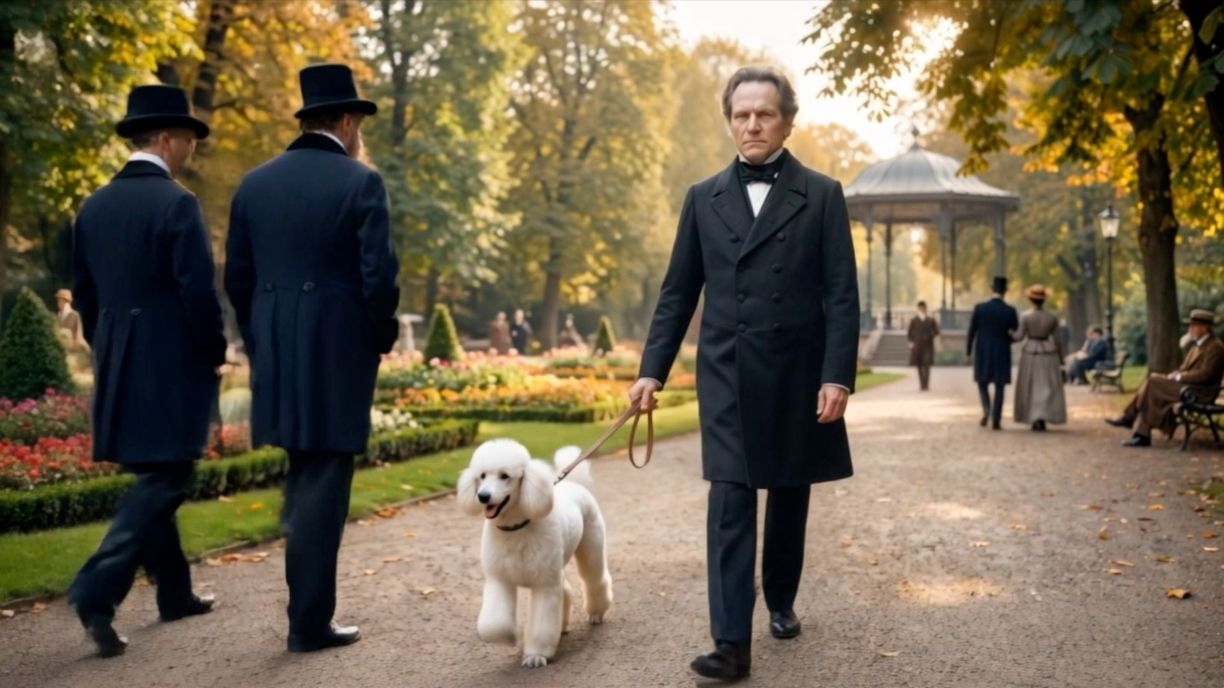
We trace the life of Schopenhauer — the most original and pessimistic voice in the history of philosophy. Born in 1788 into a merchant family in Danzig, he witnessed public executions and the misery of galley slaves during his European tour, and felt isolation and loneliness amid the glittering salon his mother presided over. He opened a lecture course at the University of Berlin at the same hour as Hegel — and stood before an empty hall. Why did Schopenhauer come to declare that life is suffering?
Lesson 2. How Do We Experience the World?
11:25
The lecture opens with the first sentence of The World as Will and Representation: "The world is my representation." What is representation? Everything we experience appears as representation at the point where subject and object meet within consciousness. Schopenhauer demonstrates, through everyday examples such as chairs and coins, that the entire world we experience is made up of representation. What is the difference between perceiving the world as it is and perceiving it as representation?
Lesson 3. By What Principle Is the World Before Us Constituted?
11:21
We examine the principle of sufficient reason — the principle that binds the world of representation into a whole. Representation is neither illusion nor mere appearance: representations are causally connected within the framework of sufficient reason and together constitute a single world. Schopenhauer reveals, through the four forms of sufficient reason — the ground of becoming, the ground of knowing, the ground of being, and the ground of acting — that all human cognition is confined within the framework of time, space, and causality. What are the limits of the world we experience?
Lesson 4. Is the World We Experience All There Is?
11:41
We probe the nature of the world concealed behind the world of representation. Kant distinguished appearance (representation) from the thing-in-itself, but declared the thing-in-itself unknowable. Schopenhauer inherits Kant critically and offers a new path to the thing-in-itself: the inner experience of feeling our own bodies move. We can view our own bodies as representation, but we can also feel them from within as will. The thing-in-itself is none other than will.
Lesson 5. What Is Will?
11:39
We dissect the character of will — the essence of the world. Will is a blind force that operates without purpose or reason. From human desires and impulses to the growth of plants, gravity, and magnetism — the forms differ, but the essence is one. Schopenhauer argues that natural science (aetiology) can reveal the regularities of will's manifestations, but can never explain why there is something like will in the world at all. Will exists without reason, and operates without reason.
Lesson 6. Why Is the World in Endless Conflict?
12:17
Will is one in essence, yet through the principium individuationis — the principle of individuation constituted by time and space — it splits into countless individual beings. Schopenhauer illustrates will's self-division and self-conflict through the bulldog ant: cut in two, head and tail still fight each other. The will-to-live strives unceasingly to objectify itself, and conflict among beings is inevitable in this process. The suffering and strife of the world arise from the very nature of will.
Lesson 7. Why Is Life Suffering?
11:55
Schopenhauer's central analysis of the suffering of life. Will is a blind, endless striving — the moment desire is satisfied, it vanishes, and a new desire takes its place. Unsatisfied desire breeds lack and pain; satisfied desire breeds boredom. Life is a pendulum that swings between suffering and boredom. Schopenhauer directly confronts and rejects optimism, demolishing the claim that this is the best possible world. The suffering of life is a truth that philosophy cannot afford to ignore.
Lesson 8. How Does Art Make Us Forget Our Suffering?
11:40
Art — the first path away from suffering. Art is not mere pastime or decoration: in the experience of art, we momentarily forget ourselves as desiring individuals and become pure subjects of knowing. In this state, freed from the blind impulses of will, we intuit Platonic Ideas. Music is the most direct expression of will itself among all the arts. The liberation art offers is a foretaste of true freedom — a temporary release from the will.
Lesson 9. How Do Justice and Sympathy Lessen Our Suffering?
11:29
Ethics — the second path away from suffering. The liberation art offers is temporary, for the source of suffering lies within. Through the principle of individuation, we distinguish ourselves from others, and egoism arises. Yet sympathy — feeling another's suffering as one's own — sees through the principle of individuation. Justice consists in not harming others; sympathy consists in sharing and seeking to relieve another's suffering. True morality springs not from duty or norms, but from compassion.
Lesson 10. In the End, You Can Be Delivered from Suffering
11:46
The final lecture, directed toward complete liberation from will. Art was a temporary consolation; sympathy was a partial remedy. The ultimate liberation Schopenhauer offers is the denial of will — asceticism that negates the will-to-live itself. When one sees through the principle of individuation and recognises that the world is one will, attachment to oneself and to the world as a whole falls away. This state is not death, but the peace described in Buddhist nirvana and Christian mysticism. True peace arrives only when the will falls silent.
A classic that finds the source of human suffering in endless desire.
The World as Will and Representation, Schopenhauer's masterwork, defines the essence of the world as a blind 'will' and human cognition as 'representation'. It reveals that endless human desire is the source of suffering, and explores the possibility of salvation through aesthetic contemplation, asceticism, and the denial of will. Critically inheriting Kant's philosophy while absorbing Indian thought, it is a classic of modern philosophy that combines Eastern and Western traditions with startling originality. AI-generated imagery of vast natural landscapes and inner worlds dismantles the barriers of the text. Schopenhauer's declaration that life is suffering is not nihilism, but a philosophical journey that honestly surveys the structure of suffering and walks toward liberation beyond it. To those caught in endless desire and digital fatigue, this classic asks: are you a slave to will — or its master?
Author/Advisor
Author
Arthur Schopenhauer
- Born in 1788 in Danzig (now Gdańsk, Poland), then under Prussian rule. Born into a prosperous merchant family; turned to philosophy following his father's sudden death.
- Received his doctorate from the University of Jena (1813). Laid his philosophical foundations with his doctoral thesis, On the Fourfold Root of the Principle of Sufficient Reason.
- In 1820, offered lectures at the University of Berlin at the same hour as Hegel — to an empty hall — and soon withdrew from academia. Thereafter lived in seclusion in Frankfurt, devoted to writing.
- Parerga and Paralipomena (1851) brought him belated fame, and proved decisive in influencing later giants such as Nietzsche, Freud, and Wagner.
- Major works: On the Fourfold Root of the Principle of Sufficient Reason (1813), On Vision and Colours (1816), The World as Will and Representation (1818), On the Will in Nature (1836), The Two Fundamental Problems of Ethics (1841), Parerga and Paralipomena (1851)
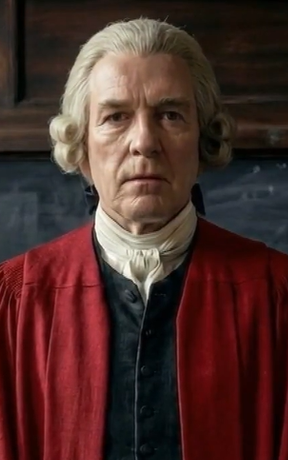
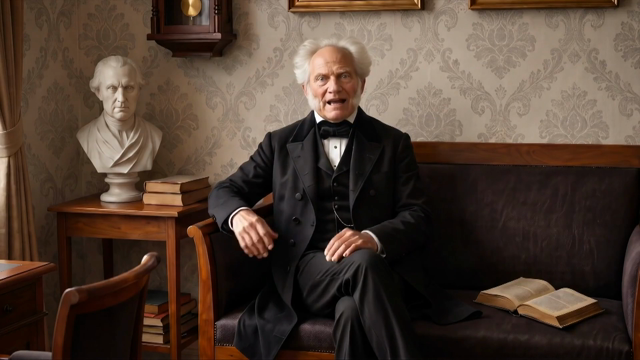
A nineteenth-century German pessimist philosopher and intellectual pioneer who influenced existentialism and Lebensphilosophie (philosophy of life). He spent most of his life opposed to Hegel-centred German Idealism, largely ignored by the academic establishment and the public, before his late work Parerga and Paralipomena caused a sensation and brought him belated recognition. His philosophy went on to inspire towering figures across philosophy, science, and art — among them Nietzsche, Freud, Einstein, Wagner, and Tolstoy. In this lecture, he speaks directly on his own philosophy as the sixty-five-year-old Schopenhauer of 1852 — not with the fire of youth, but with the seasoned perspective of a man who has surveyed an entire life.
Visual Journey
Why Did Schopenhauer Call Life Suffering?
We trace the life of Schopenhauer — the most original and pessimistic voice in the history of philosophy. Born in 1788 into a merchant family in Danzig, he witnessed public executions and the misery of galley slaves during his European tour, and felt isolation and loneliness amid the glittering salon his mother presided over. He opened a lecture course at the University of Berlin at the same hour as Hegel — and stood before an empty hall. Why did Schopenhauer come to declare that life is suffering?

How Do We Experience the World?
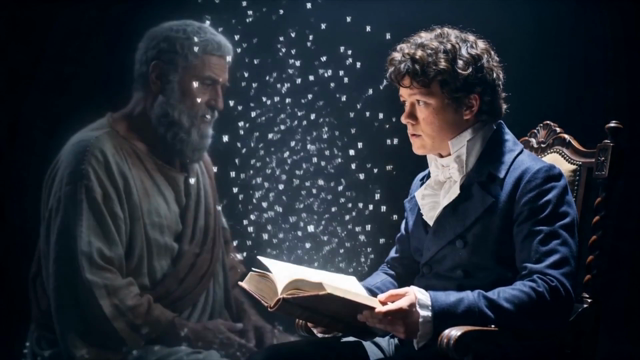
The lecture opens with the first sentence of The World as Will and Representation: "The world is my representation." What is representation? Everything we experience appears as representation at the point where subject and object meet within consciousness. Schopenhauer demonstrates, through everyday examples such as chairs and coins, that the entire world we experience is made up of representation. What is the difference between perceiving the world as it is and perceiving it as representation?
By What Principle Is the World Before Us Constituted?
We examine the principle of sufficient reason — the principle that binds the world of representation into a whole. Representation is neither illusion nor mere appearance: representations are causally connected within the framework of sufficient reason and together constitute a single world. Schopenhauer reveals, through the four forms of sufficient reason — the ground of becoming, the ground of knowing, the ground of being, and the ground of acting — that all human cognition is confined within the framework of time, space, and causality. What are the limits of the world we experience?
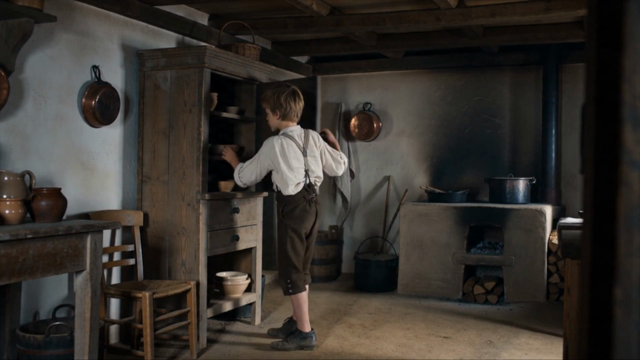
Is the World We Experience All There Is?
We probe the nature of the world concealed behind the world of representation. Kant distinguished appearance (representation) from the thing-in-itself, but declared the thing-in-itself unknowable. Schopenhauer inherits Kant critically and offers a new path to the thing-in-itself: the inner experience of feeling our own bodies move. We can view our own bodies as representation, but we can also feel them from within as will. The thing-in-itself is none other than will.
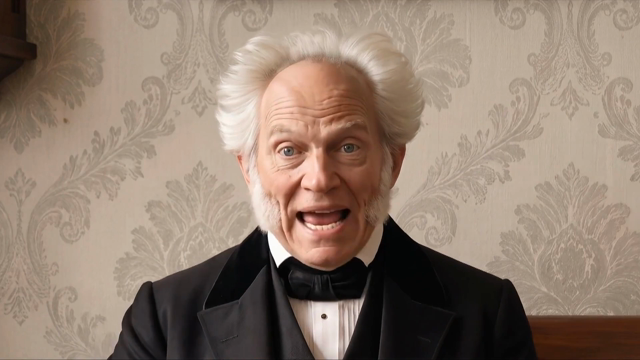
What Is Will?
We dissect the character of will — the essence of the world. Will is a blind force that operates without purpose or reason. From human desires and impulses to the growth of plants, gravity, and magnetism — the forms differ, but the essence is one. Schopenhauer argues that natural science (aetiology) can reveal the regularities of will's manifestations, but can never explain why there is something like will in the world at all. Will exists without reason, and operates without reason.
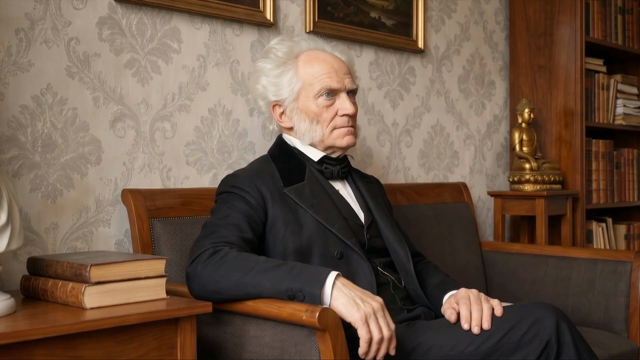
Why Is the World in Endless Conflict?
Will is one in essence, yet through the principium individuationis — the principle of individuation constituted by time and space — it splits into countless individual beings. Schopenhauer illustrates will's self-division and self-conflict through the bulldog ant: cut in two, head and tail still fight each other. The will-to-live strives unceasingly to objectify itself, and conflict among beings is inevitable in this process. The suffering and strife of the world arise from the very nature of will.
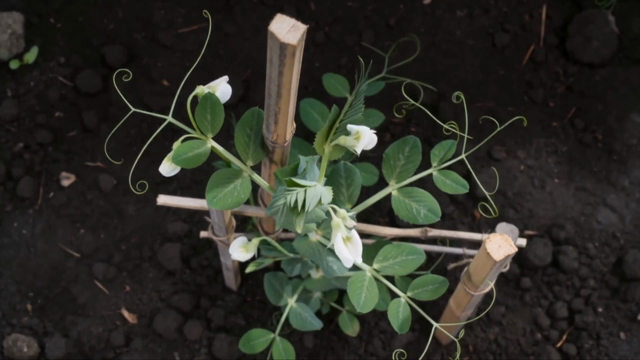
Why Is Life Suffering?
Schopenhauer's central analysis of the suffering of life. Will is a blind, endless striving — the moment desire is satisfied, it vanishes, and a new desire takes its place. Unsatisfied desire breeds lack and pain; satisfied desire breeds boredom. Life is a pendulum that swings between suffering and boredom. Schopenhauer directly confronts and rejects optimism, demolishing the claim that this is the best possible world. The suffering of life is a truth that philosophy cannot afford to ignore.
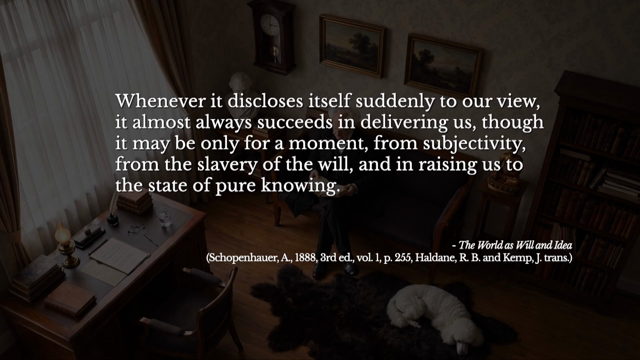
How Does Art Make Us Forget Our Suffering?
Art — the first path away from suffering. Art is not mere pastime or decoration: in the experience of art, we momentarily forget ourselves as desiring individuals and become pure subjects of knowing. In this state, freed from the blind impulses of will, we intuit Platonic Ideas. Music is the most direct expression of will itself among all the arts. The liberation art offers is a foretaste of true freedom — a temporary release from the will.
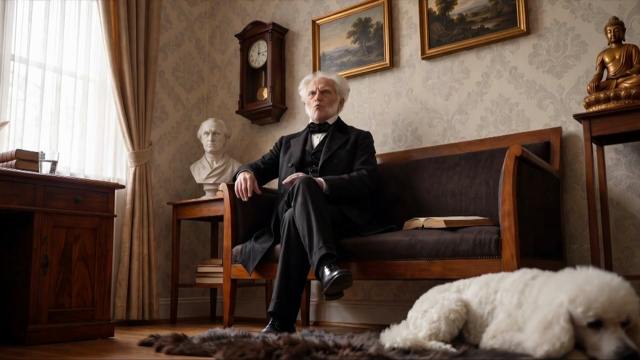
How Do Justice and Sympathy Lessen Our Suffering?
Ethics — the second path away from suffering. The liberation art offers is temporary, for the source of suffering lies within. Through the principle of individuation, we distinguish ourselves from others, and egoism arises. Yet sympathy — feeling another's suffering as one's own — sees through the principle of individuation. Justice consists in not harming others; sympathy consists in sharing and seeking to relieve another's suffering. True morality springs not from duty or norms, but from compassion.
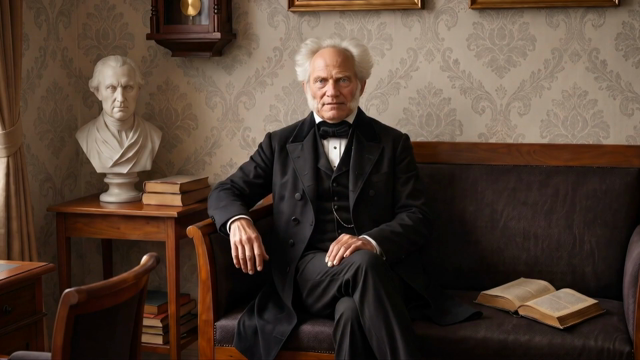
In the End, You Can Be Delivered from Suffering
The final lecture, directed toward complete liberation from will. Art was a temporary consolation; sympathy was a partial remedy. The ultimate liberation Schopenhauer offers is the denial of will — asceticism that negates the will-to-live itself. When one sees through the principle of individuation and recognises that the world is one will, attachment to oneself and to the world as a whole falls away. This state is not death, but the peace described in Buddhist nirvana and Christian mysticism. True peace arrives only when the will falls silent.
The Deep Insight
Are you a slave to your endless desires, or can you become their master?