Philosophy
Aurelius Augustinus
Confessions
Bishop of Hippo who laid the doctrinal foundations of Western Christian thought.
Lesson Plan
- Lesson Length : 10 Lessons ㆍ 2 hours 01 miutes
- Language : 한국어, English
Lesson 1. Augustine Begins His Confession
FREE 12:43
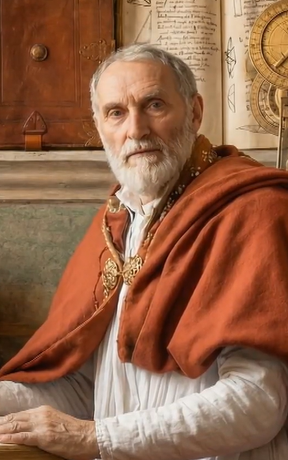
Hippo Regius, 395. A man who wept at his own ordination is now bishop. Once the most celebrated rhetorician in the Roman Empire, he has set aside all of it. Why does he now choose to write a book confessing his shameful past before God? What is confession? From that first question, the Confessions begins.
Lesson 2. Why Do We Love Loving?
12:16
Augustine confesses: he loved love, in order to fall in love. Restlessness that cannot be filled. The disorder of love, the Ordo Amoris. Why did the boy from Thagaste leave for Carthage? What do the Manichaean gods of light and darkness explain? Through his own wandering, Augustine testifies that restlessness is the very condition of human existence.
Lesson 3. Is Knowing More the Same as Living Well?
11:58
Does rhetoric teach truth, or does it sell the appearance of truth? In Carthage's marketplace of words, Augustine witnesses the underside of language. Does astrology explain fate, or provide an escape from responsibility? He meets Faustus, the Manichaean celebrity, and is disillusioned. He confronts the distance between knowing and living, the limits of knowledge.
Lesson 4. Where Does Evil Come From?
12:02
At sixteen, Augustine stole pears from a neighbor's orchard. Not because he wanted them. He would not have done it without his companions. Evil is not an independent substance but the privation of good—the conclusion Augustine reached as he moved from Manichaeism toward Neoplatonism. He confronts free will, original sin, and the dark abyss of human existence.
Lesson 5. Why Can't We Change, Even When We Know We Should?
12:10
Knowing the truth does not change life. Augustine tried to gather his will toward truth, but his will was torn in two. The chain of habit. The conversion of Victorinus. The shock of hearing Ponticianus speak of Antony. The garden in Milan. Tolle lege: a single passage that changed a life. He dissects the divided will and the mechanics of transformation.
Lesson 6. Is the Visible World All That Exists?
12:26
The fig seems to have no flower—but split it open and the sweetest flower is hidden within. The visible world is not all that exists. Through Neoplatonism, Augustine moves beyond the material. The lust of the eyes: the desire for beautiful things, the temptation of curiosity. How Alypius became addicted to the blood of the gladiatorial games. He asks about the relation between sense and soul.
Lesson 7. What Did a Mother's Tears Change?
11:54
Wherever Augustine went, one person followed—his mother, Monica. She wept when he fell into Manichaeism, chased after the ship carrying him to Rome, and crossed the sea to find him in Milan. The vision received by Monica, the mother of tears, and the revelation of the wooden rule. The Vision at Ostia: the mysterious moment when Augustine and his mother ascended together toward God. The power of love and prayer.
Lesson 8. What Is Memory?
11:45
Close your eyes and call to mind a landscape long vanished. Where is it? Augustine describes memory as 'a vast palace,' 'a spacious field.' How are sensation, emotion, and truth preserved within memory? The memory of happiness: why do we desire a happiness we may never have experienced? What it means to seek God within memory.
Lesson 9. Why Is It So Hard to Live in This Moment?
12:07
Water drops from a crack in the rock. No one can catch this moment's drop. Augustine asks: what is time? The past is in memory, the future in expectation, the present in attention. Eternity is an instant, and the human soul is scattered, torn between past and future. Why is it so difficult to exist fully in this present moment?
Lesson 10. My Weight Is My Love
11:49
The final lecture. Augustine confesses: love is a weight that draws each soul toward its proper place. Water flows downward, flame rises upward, and the soul moves wherever its love leads. 'My weight is my love'—Amor meus, pondus meum—the one sentence that traverses the entire Confessions. The final destination of a confession that cannot rest until it rests in God.
A spiritual autobiography that lays bare the restless human heart.
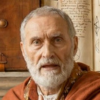
"You made us for yourself, and our heart is restless, until it repose in Thee." Aurelius Augustine: acclaimed as the greatest rhetorician in the Roman Empire, possessor of wealth and renown. Yet at the summit of knowledge, he discovered the deepest emptiness. A spiritual autobiography in which he lays bare his shameful past and confronts his true self. Love, evil, memory, time, will: 1,600 years on, the Confessions remains the most incisive dissection of the human interior ever written. Born in Thagaste in North Africa in 354, Augustine moves through Carthage, Rome, and Milan before becoming Bishop of Hippo. He speaks directly, from the study at Hippo.
Author/Advisor
Author
Aurelius Augustinus
- Born in Thagaste (354, present-day Souk Ahras, Algeria). Studied rhetoric in Carthage; served as imperial professor of rhetoric in Rome and Milan
- A Manichaean for nine years. His encounter with Neoplatonism marked a decisive intellectual turning point
- Dramatic conversion in a Milan garden in 386 (Tolle lege). Baptized by Bishop Ambrose the following year
- Appointed Bishop of Hippo Regius in 395. Over thirty-five years of writing, preaching, and theological dispute, he laid the doctrinal foundations of the Western Church
- Major works: Confessions (397–400), The City of God (413–426), On the Trinity (400–428)
Philosopher, theologian, and Bishop of Hippo (354–430). Born in Thagaste in present-day Algeria, he won fame as the foremost rhetorician of his age, passing through Carthage, Rome, and Milan—yet at the summit of learning, he encountered the deepest emptiness. Following a dramatic conversion in 386, he devoted the remainder of his life to the bishopric of Hippo. He laid the doctrinal foundations of Western Christian thought and pioneered the literary dissection of the interior life.
Visual Journey
Augustine Begins His Confession
Hippo Regius, 395. A man who wept at his own ordination is now bishop. Once the most celebrated rhetorician in the Roman Empire, he has set aside all of it. Why does he now choose to write a book confessing his shameful past before God? What is confession? From that first question, the Confessions begins.
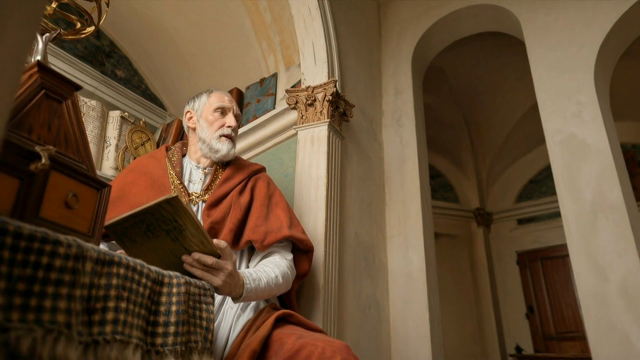
Why Do We Love Loving?
Augustine confesses: he loved love, in order to fall in love. Restlessness that cannot be filled. The disorder of love, the Ordo Amoris. Why did the boy from Thagaste leave for Carthage? What do the Manichaean gods of light and darkness explain? Through his own wandering, Augustine testifies that restlessness is the very condition of human existence.
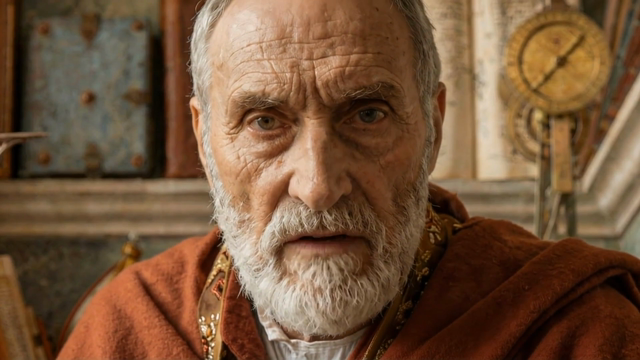
Is Knowing More the Same as Living Well?
Does rhetoric teach truth, or does it sell the appearance of truth? In Carthage's marketplace of words, Augustine witnesses the underside of language. Does astrology explain fate, or provide an escape from responsibility? He meets Faustus, the Manichaean celebrity, and is disillusioned. He confronts the distance between knowing and living, the limits of knowledge.
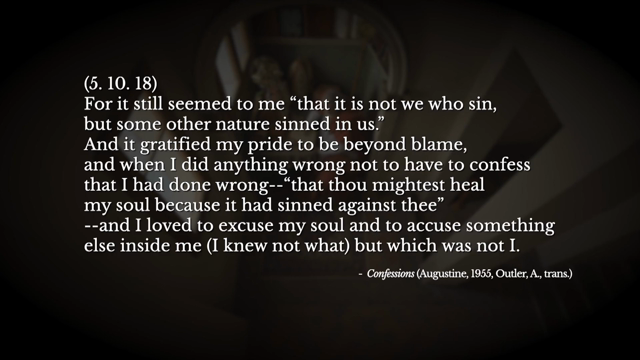
Where Does Evil Come From?
At sixteen, Augustine stole pears from a neighbor's orchard. Not because he wanted them. He would not have done it without his companions. Evil is not an independent substance but the privation of good—the conclusion Augustine reached as he moved from Manichaeism toward Neoplatonism. He confronts free will, original sin, and the dark abyss of human existence.
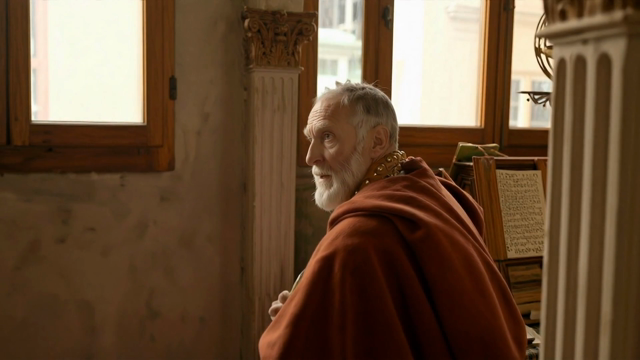
Why Can't We Change, Even When We Know We Should?
Knowing the truth does not change life. Augustine tried to gather his will toward truth, but his will was torn in two. The chain of habit. The conversion of Victorinus. The shock of hearing Ponticianus speak of Antony. The garden in Milan. Tolle lege: a single passage that changed a life. He dissects the divided will and the mechanics of transformation.
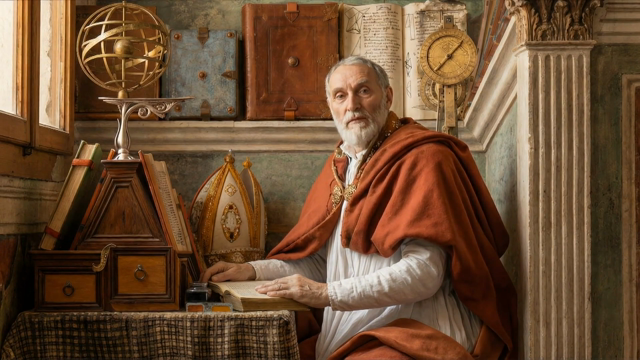
Is the Visible World All That Exists?
The fig seems to have no flower—but split it open and the sweetest flower is hidden within. The visible world is not all that exists. Through Neoplatonism, Augustine moves beyond the material. The lust of the eyes: the desire for beautiful things, the temptation of curiosity. How Alypius became addicted to the blood of the gladiatorial games. He asks about the relation between sense and soul.
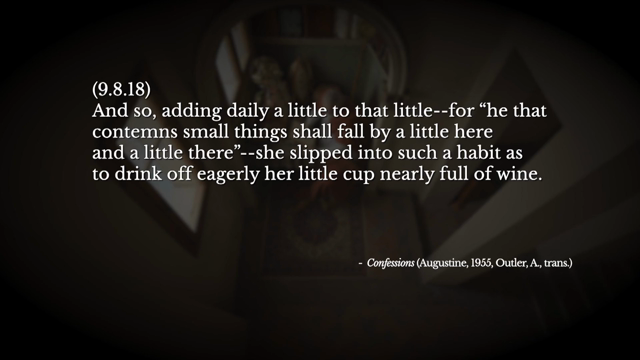
What Did a Mother's Tears Change?
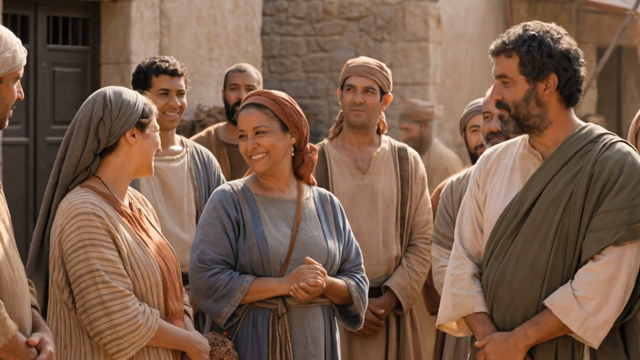
Wherever Augustine went, one person followed—his mother, Monica. She wept when he fell into Manichaeism, chased after the ship carrying him to Rome, and crossed the sea to find him in Milan. The vision received by Monica, the mother of tears, and the revelation of the wooden rule. The Vision at Ostia: the mysterious moment when Augustine and his mother ascended together toward God. The power of love and prayer.
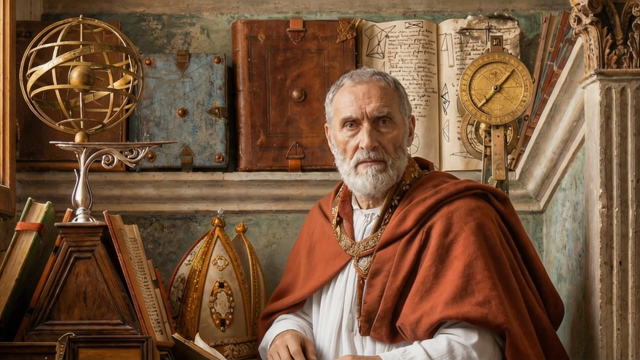
What Is Memory?
Close your eyes and call to mind a landscape long vanished. Where is it? Augustine describes memory as 'a vast palace,' 'a spacious field.' How are sensation, emotion, and truth preserved within memory? The memory of happiness: why do we desire a happiness we may never have experienced? What it means to seek God within memory.
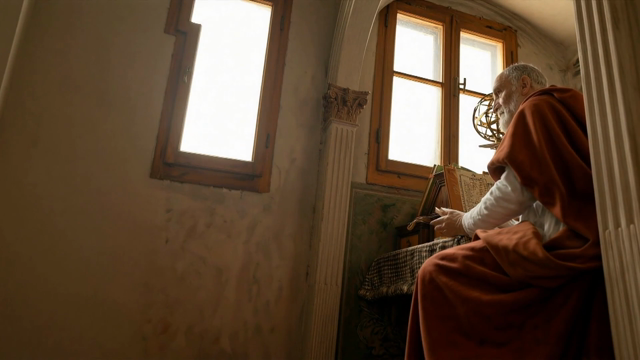
Why Is It So Hard to Live in This Moment?
Water drops from a crack in the rock. No one can catch this moment's drop. Augustine asks: what is time? The past is in memory, the future in expectation, the present in attention. Eternity is an instant, and the human soul is scattered, torn between past and future. Why is it so difficult to exist fully in this present moment?
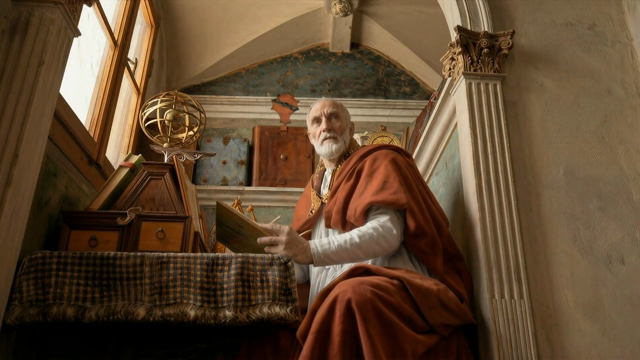
My Weight Is My Love
The final lecture. Augustine confesses: love is a weight that draws each soul toward its proper place. Water flows downward, flame rises upward, and the soul moves wherever its love leads. 'My weight is my love'—Amor meus, pondus meum—the one sentence that traverses the entire Confessions. The final destination of a confession that cannot rest until it rests in God.
The Deep Insight
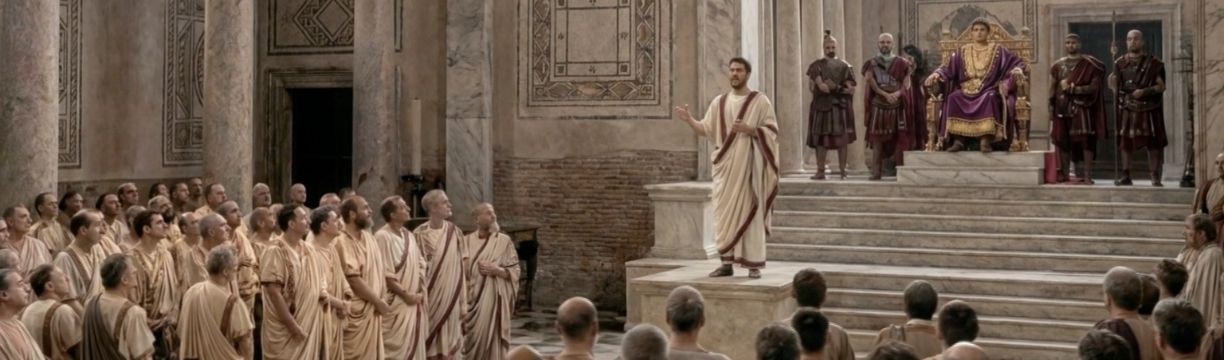
At the very summit of success, why can the heart still feel empty?