Philosophy
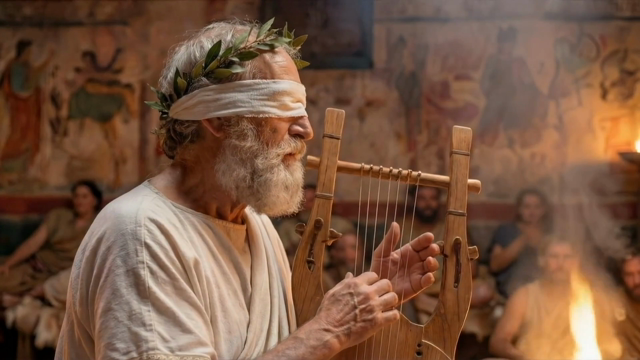
Homeros
Odysseia
Ancient Greek poet whose epics became the foundation of Western literature
Lesson Plan
- Lesson Length : 10 Lessons ㆍ 2 hours 03 miutes
- Language : 한국어, English
Lesson 1. The Great Return of Homer and Odysseus
12:22
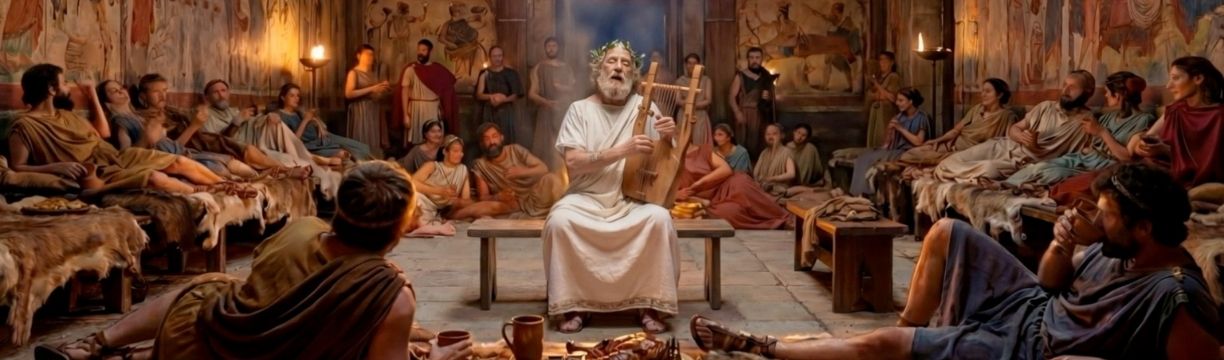
Who was Homeros, the blind wandering poet who sang his stories on the shores of ancient Greece in the 8th century BCE? And what is the epic he gave us, the Odysseia? In this opening lecture, Homeros himself explains why the story of Odysseus—a warrior who won a ten-year war, yet needed ten more years to find his way home—still speaks to us nearly three thousand years later.
Lesson 2. Trapped in the Cave of the One-Eyed Giant
12:25
After the fall of Troy, Odysseus's fleet is driven off course by divine wrath and arrives at the island of the Cyclopes—a lawless land of savagery. Trapped inside the towering limestone cave of the one-eyed giant Polyphemus, Odysseus must find a way to survive. Homeros reveals the cunning behind the name 'Nobody'—Outis—and the triple layers of wordplay that outwit the monster.
Lesson 3. Never Open Aeolus's Bag of Winds
12:23
Aeolus, keeper of the winds, grants Odysseus a gift: a leather bag holding all the stormy winds, with only the gentlest breeze left free to carry him home. Ithaca is almost in sight when the crew's greed undoes everything—they open the bag, unleash a devastating storm, and are hurled back to the start. Then comes a second catastrophe: the cannibalistic Laestrygonians destroy eleven of the twelve ships. Homeros traces the bitter cost of human desire.
Lesson 4. Escape the Magic of Circe the Witch
12:18
Down to a single ship, Odysseus lands on Aeaea, island of the goddess Circe—a terrifying sorceress who transforms men into animals. His crew are turned to swine. Alone, armed only with the mysterious herb moly given to him by Hermes, Odysseus confronts her. To trap a human mind inside a beast's body—keeping memory, consciousness, and the full capacity to suffer—is, Homeros tells us, the most savage act of all.
Lesson 5. Odysseus Descends into the Underworld
12:24
Following Circe's command, Odysseus descends—still breathing—into the House of Hades. At the misty edge of the world, he digs a trench of blood and summons the dead. The ghost of Elpenor who fell drunk from a rooftop. His own mother, Anticleia. The blind prophet Teiresias. And the great warrior Achilles, who would trade all his glory in death for one more day of life. Homeros asks: what does it mean to walk among the dead while still alive?
Lesson 6. The Sirens' Song That Summons Death
11:58
Three trials await Odysseus as he emerges from the underworld. The Sirens, whose sweet song lures sailors to their deaths. Scylla, the six-headed monster who snatches men from the deck. And Charybdis, a whirlpool that swallows the sea itself. Bound to the mast, Odysseus hears the Sirens' song and survives—but loses six men to Scylla and cannot save them. Homeros asks: when fate cannot be defeated, how does a human being choose?
Lesson 7. Why Does Society Need Diversity?
12:18
What does individuality mean at the level of society? Won't a society where everyone lives their own way collapse into chaos? Mill argues that diversity is not a threat to social order—it is the very condition for progress and advancement.
Lesson 8. Odysseus Disguises Himself as a Beggar
12:24
After twenty years, Odysseus reaches Ithaca at last—but enters his own palace disguised as an aged beggar, transformed by Athena. In the hut of the loyal swineherd Eumaeus, his old dog Argos recognizes him with one wag of a tired tail before dying. In secret, Odysseus and his grown son Telemachus plan their revenge. Homeros tells us: true homecoming is not the moment of arrival—it is the act of reclaiming what is yours.
Lesson 9. Penelope Proposes the Contest of the Bow
12:25
After twenty years of waiting, Penelope announces the contest of the bow: she will marry whoever can string Odysseus's great bow and shoot an arrow through twelve axe-heads in a row. The suitors fail even to string it. The disguised beggar takes the bow. First, the old dog Argos recognizes his master from a dung heap—and dies. Then the nurse Eurycleia finds the scar on his thigh. And then: one arrow through twelve axe-heads.
Lesson 10. The King of Ithaca Returns
12:25
The judgment of the suitors. The reunion with Penelope—whose test of the olive-wood bed, rooted to the living earth, only one man can answer. The embrace of old Laertes in his orchard. Three generations—grandfather, father, son—standing together with spears raised. And then Athena's command: lay down your sword. From revenge to forgiveness, from war to peace. Homeros closes his epic of twelve thousand lines.
Humanity’s oldest story of the long way home.
Why did it take ten years for a victorious hero to find his way home? Through divine wrath and monstrous threats, through seductive goddesses and treacherous companions, what was Odysseus truly fighting to preserve? In this series, Homeros himself presents the Odysseia—the twelve-thousand-line epic he sang in the 8th century BCE. From the Cyclops's cave to the gates of the underworld. From the Sirens' song to the secret of the olive-wood bed. Ten lectures. One of humanity's greatest stories of return.
Author/Advisor
Author
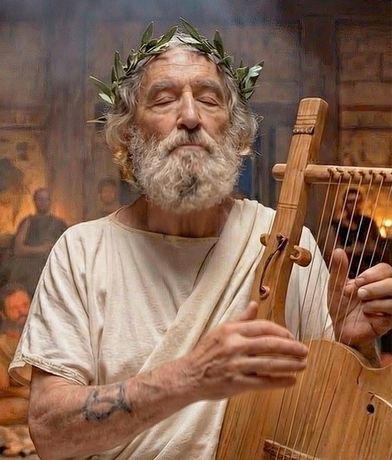
Homeros
• A blind wandering poet of ancient Greece, believed to have been active in the Ionian region around the 8th century BCE
• Attributed author of the Iliad (15,693 lines) and the Odysseia (12,110 lines)
• The last master of the oral tradition—composing and performing tens of thousands of lines entirely from memory, without written text
• The founding figure of Western literature; Plato wrote: "Homer educated Greece"
The poet of ancient Greece to whom the Iliad and the Odysseia—the founding texts of Western literature—are attributed. Whether Homeros was a single historical individual, and whether either poem had a single author, has been debated since antiquity: the question is known as the 'Homeric Problem.' His works are understood to have grown from an oral tradition rather than written composition. Both epics became the foundation of Western literature, philosophy, and education, and are still read as classics of humanity thousands of years later. He is commonly called 'the father of Western literature.'
Visual Journey
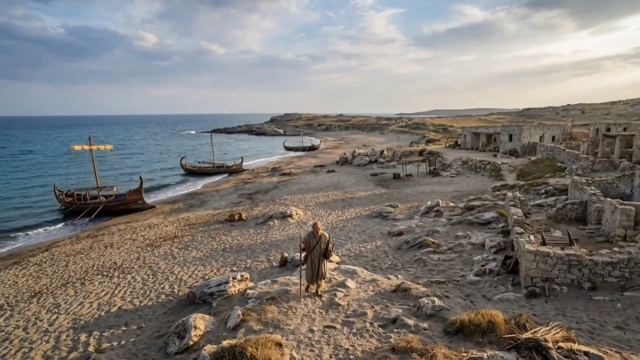
The Great Return of Homer and Odysseus
Who was Homeros, the blind wandering poet who sang his stories on the shores of ancient Greece in the 8th century BCE? And what is the epic he gave us, the Odysseia? In this opening lecture, Homeros himself explains why the story of Odysseus—a warrior who won a ten-year war, yet needed ten more years to find his way home—still speaks to us nearly three thousand years later.
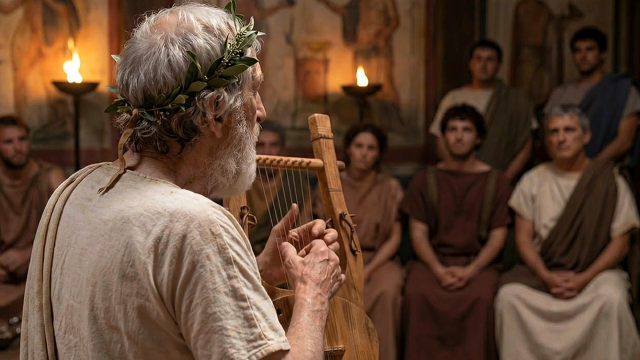
Trapped in the Cave of the One-Eyed Giant
After the fall of Troy, Odysseus's fleet is driven off course by divine wrath and arrives at the island of the Cyclopes—a lawless land of savagery. Trapped inside the towering limestone cave of the one-eyed giant Polyphemus, Odysseus must find a way to survive. Homeros reveals the cunning behind the name 'Nobody'—Outis—and the triple layers of wordplay that outwit the monster.
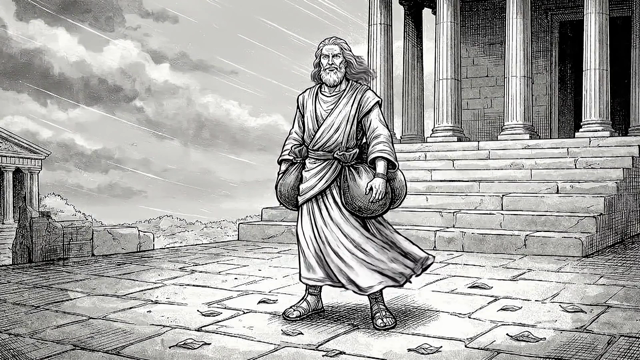
Never Open Aeolus's Bag of Winds
Aeolus, keeper of the winds, grants Odysseus a gift: a leather bag holding all the stormy winds, with only the gentlest breeze left free to carry him home. Ithaca is almost in sight when the crew's greed undoes everything—they open the bag, unleash a devastating storm, and are hurled back to the start. Then comes a second catastrophe: the cannibalistic Laestrygonians destroy eleven of the twelve ships. Homeros traces the bitter cost of human desire.
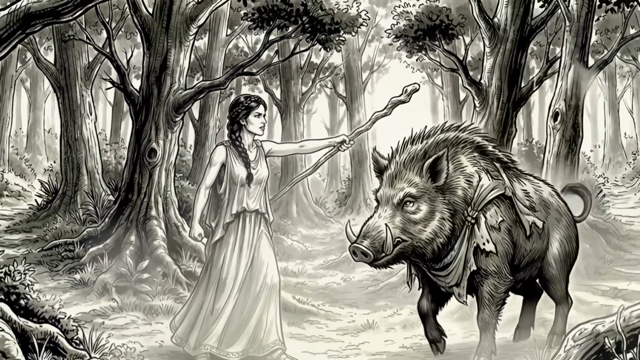
Escape the Magic of Circe the Witch
Down to a single ship, Odysseus lands on Aeaea, island of the goddess Circe—a terrifying sorceress who transforms men into animals. His crew are turned to swine. Alone, armed only with the mysterious herb moly given to him by Hermes, Odysseus confronts her. To trap a human mind inside a beast's body—keeping memory, consciousness, and the full capacity to suffer—is, Homeros tells us, the most savage act of all.
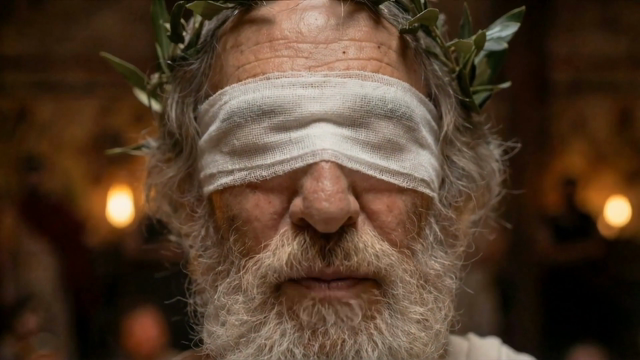
Odysseus Descends into the Underworld
Following Circe's command, Odysseus descends—still breathing—into the House of Hades. At the misty edge of the world, he digs a trench of blood and summons the dead. The ghost of Elpenor who fell drunk from a rooftop. His own mother, Anticleia. The blind prophet Teiresias. And the great warrior Achilles, who would trade all his glory in death for one more day of life. Homeros asks: what does it mean to walk among the dead while still alive?
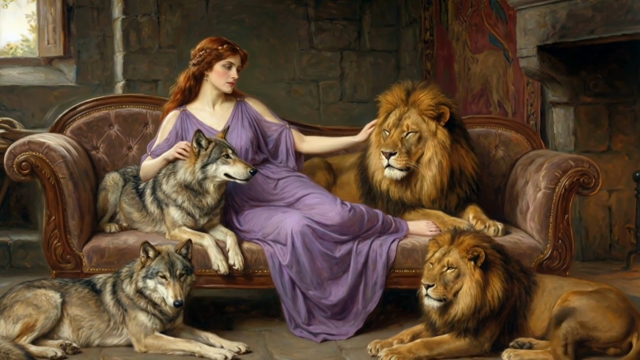
The Sirens' Song That Summons Death
Three trials await Odysseus as he emerges from the underworld. The Sirens, whose sweet song lures sailors to their deaths. Scylla, the six-headed monster who snatches men from the deck. And Charybdis, a whirlpool that swallows the sea itself. Bound to the mast, Odysseus hears the Sirens' song and survives—but loses six men to Scylla and cannot save them. Homeros asks: when fate cannot be defeated, how does a human being choose?
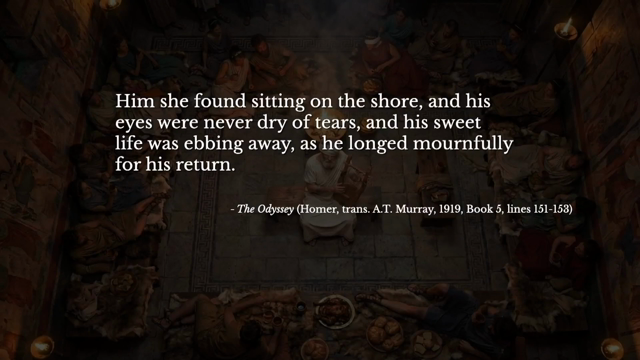
Why Does Society Need Diversity?
What does individuality mean at the level of society? Won't a society where everyone lives their own way collapse into chaos? Mill argues that diversity is not a threat to social order—it is the very condition for progress and advancement.
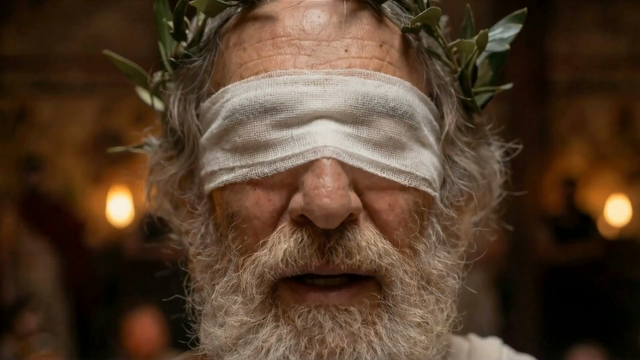
Odysseus Disguises Himself as a Beggar
After twenty years, Odysseus reaches Ithaca at last—but enters his own palace disguised as an aged beggar, transformed by Athena. In the hut of the loyal swineherd Eumaeus, his old dog Argos recognizes him with one wag of a tired tail before dying. In secret, Odysseus and his grown son Telemachus plan their revenge. Homeros tells us: true homecoming is not the moment of arrival—it is the act of reclaiming what is yours.
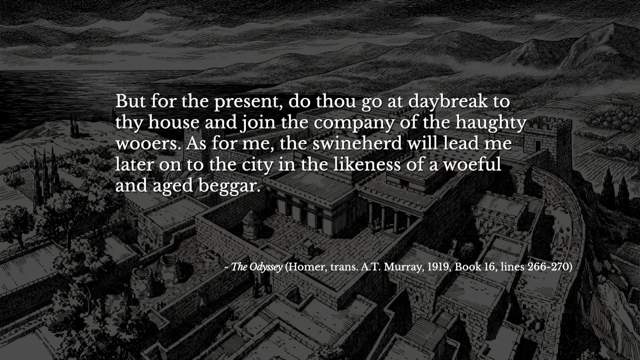
Penelope Proposes the Contest of the Bow
After twenty years of waiting, Penelope announces the contest of the bow: she will marry whoever can string Odysseus's great bow and shoot an arrow through twelve axe-heads in a row. The suitors fail even to string it. The disguised beggar takes the bow. First, the old dog Argos recognizes his master from a dung heap—and dies. Then the nurse Eurycleia finds the scar on his thigh. And then: one arrow through twelve axe-heads.
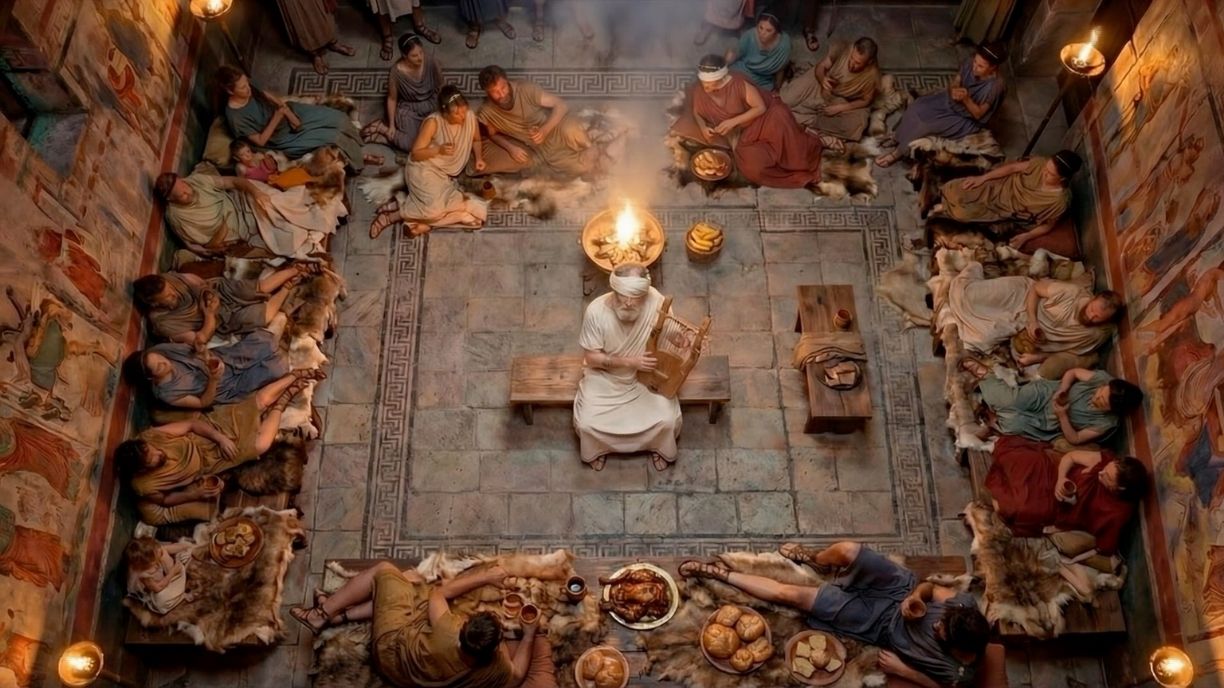
The King of Ithaca Returns
The judgment of the suitors. The reunion with Penelope—whose test of the olive-wood bed, rooted to the living earth, only one man can answer. The embrace of old Laertes in his orchard. Three generations—grandfather, father, son—standing together with spears raised. And then Athena's command: lay down your sword. From revenge to forgiveness, from war to peace. Homeros closes his epic of twelve thousand lines.
The Deep Insight
Next Chapter

Service Change Notice
As of April 3, 2024, GREAT MINDS is now operated by Ubion CO LTD.
As a result, there is a change in membership, so We’re informing you.
Discontinuation of Membership Subscription Auto-Renewal
Memberships subscribed before April 3rd will not automatically renew and will expire. Therefore, if you wish to continue using the membership, please proceed with the subscription after the expiration of the subscription.Increase in Membership Subscription Prices
The prices of membership subscriptions have been increased due to rising labor and material costs. We sincerely appreciate your understanding regarding this price adjustment.| Before | After | |
|---|---|---|
| Monthly Membership | $ 4.99 | $ 9.99 |
| Annually Membership | $ 49.99 | $ 99.99 |
* The won price of the monthly/annual membership for Koreans has risen to 12,000 won and 120,000 won, respectively.
Thank you for your understanding
If you have any further inquiries, Contact Us
Service Update
Global lecture, G is becoming Grecture.
Expanded AI feature are powering the next evolution of the service.
Effective January 2, 2026
Domain: https://www.grecture.com
Automatic redirection will be provided.
Subscription:
Price changes from $9.99 to $15.
Auto-renewal will end. Please resubscribe to continue.
Thank you for being with us.