
Environment
John Robert McNeill
History of the Environment
A pioneer in environmental history research
Lesson Plan
- Lesson Length : 20 Lessons ㆍ 2 hours 40 miutes
- Language : 한국어, English
The 21st-century environmental crisis through the eyes of history
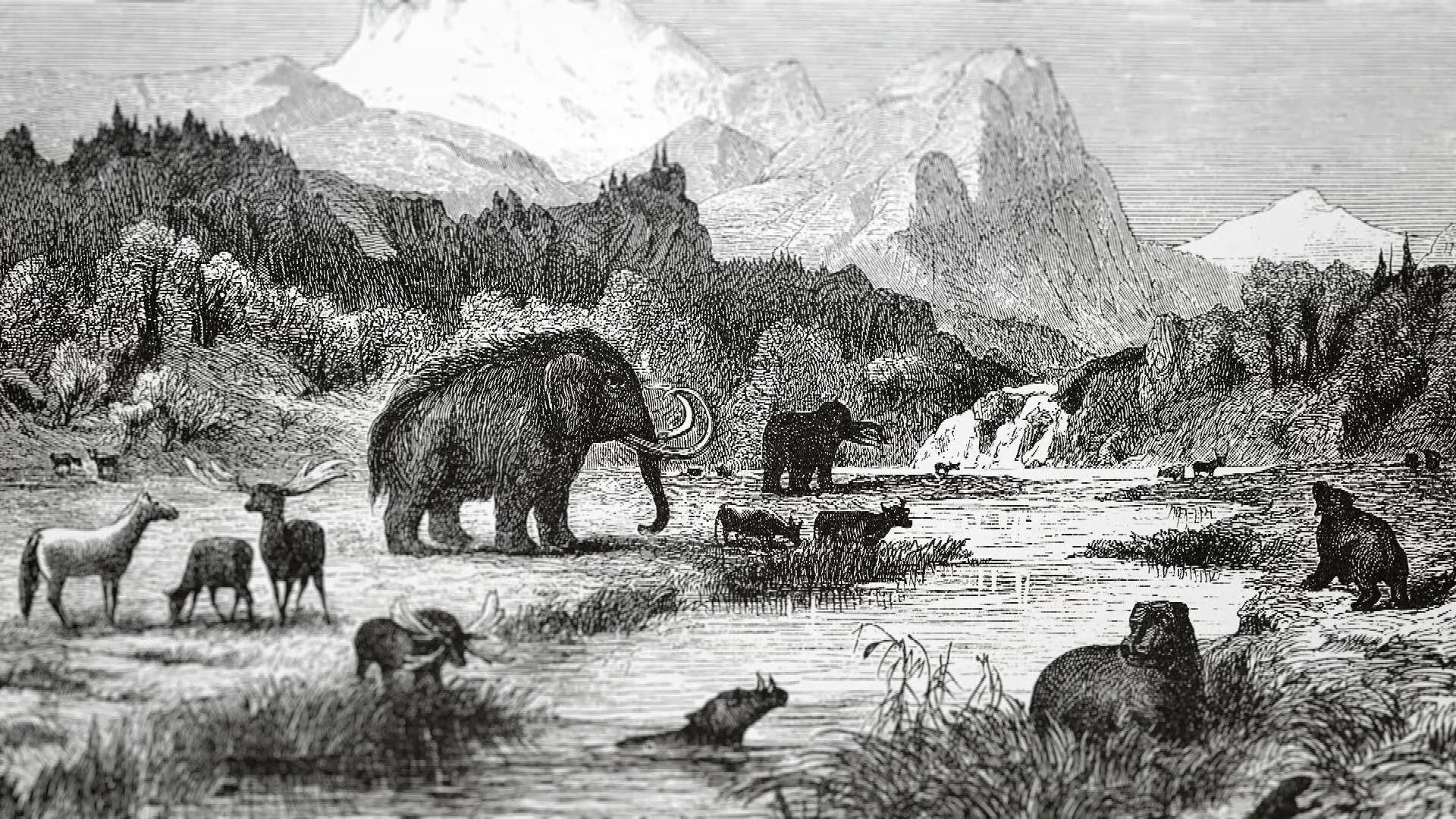
Today, environmental pollution is recognized as a major threat to human survival. How did the world which supports our life come to this point, and what can we do about it? John Robert McNeill, a pioneer in the study of environmental history, argues that we need a historical perspective to understand our environmental dilemmas. Human activity is a major contributor to environmental pollution, he says, and understanding the relationship between the history of the planet and the history of humanity is crucial to finding the solutions to our problem.
He pays particular attention to the Industrial Revolution and the "Great Acceleration," the rapid and vast environmental change that began after 1945, as this is the point at which meaningful discussions surrounding the new geological era of the Anthropocene center around, and when environmental pollution really took off.
In this lecture series, John Robert McNeill analyzes through the lens of history what social, economic, and political forces have shaped the environment we live in today and explores solutions for a sustainable future.
Full Bio
John Robert McNeill
- Professor of History, Georgetown University (1985- )
- Toynbee Prize (2010), World History Association, Pioneer in World History Award (2014), Dr A.H. Heineken Prize (2018)
- Author of Something New Under the Sun: An Environmental History of the 20th-Century World, Mosquito Empires: Ecology and War in the Greater Caribbean, 1620–1914, The Great Acceleration: An Environmental History of the Anthropocene Since 1945, and more
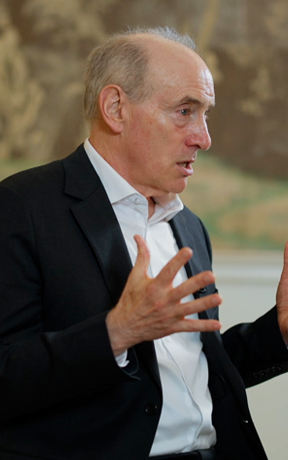
John Robert McNeill is considered a pioneer in the study of environmental history. The son of renowned historian William McNeill, he first began studying environmental history after earning a PhD in history and working with ecologists studying the carbon cycle. Encouraged by historian Paul Kennedy, who was intrigued by his work, he spent seven years writing Something New Under the Sun: An Environmental History of the 20th-Century World, which was widely acclaimed in a wide range of academic circles and popularized the field of environmental history.
In 2019, he succeeded his father as president of the American Historical Association, adding an ecological teleconnections perspective to his father's work and writing The Human Web: A Bird's-eye View of World History. He is currently a professor of history at Georgetown University, where he is dedicated to building academic communities and institutions for the study of environmental history.

Service Change Notice
As of April 3, 2024, GREAT MINDS is now operated by Ubion CO LTD.
As a result, there is a change in membership, so We’re informing you.
Discontinuation of Membership Subscription Auto-Renewal
Memberships subscribed before April 3rd will not automatically renew and will expire. Therefore, if you wish to continue using the membership, please proceed with the subscription after the expiration of the subscription.Increase in Membership Subscription Prices
The prices of membership subscriptions have been increased due to rising labor and material costs. We sincerely appreciate your understanding regarding this price adjustment.| Before | After | |
|---|---|---|
| Monthly Membership | $ 4.99 | $ 9.99 |
| Annually Membership | $ 49.99 | $ 99.99 |
* The won price of the monthly/annual membership for Koreans has risen to 12,000 won and 120,000 won, respectively.
Thank you for your understanding
If you have any further inquiries, Contact Us
Service Update
Global lecture, G is becoming Grecture.
Expanded AI feature are powering the next evolution of the service.
Effective January 2, 2026
Domain: https://www.grecture.com
Automatic redirection will be provided.
Subscription:
Price changes from $9.99 to $15.
Auto-renewal will end. Please resubscribe to continue.
Thank you for being with us.