
Art
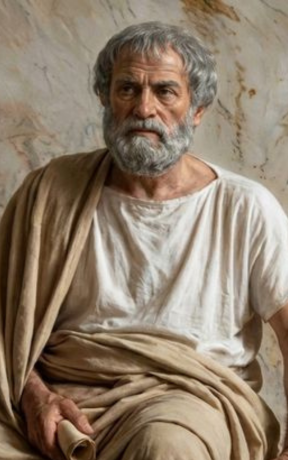
Herman Melville
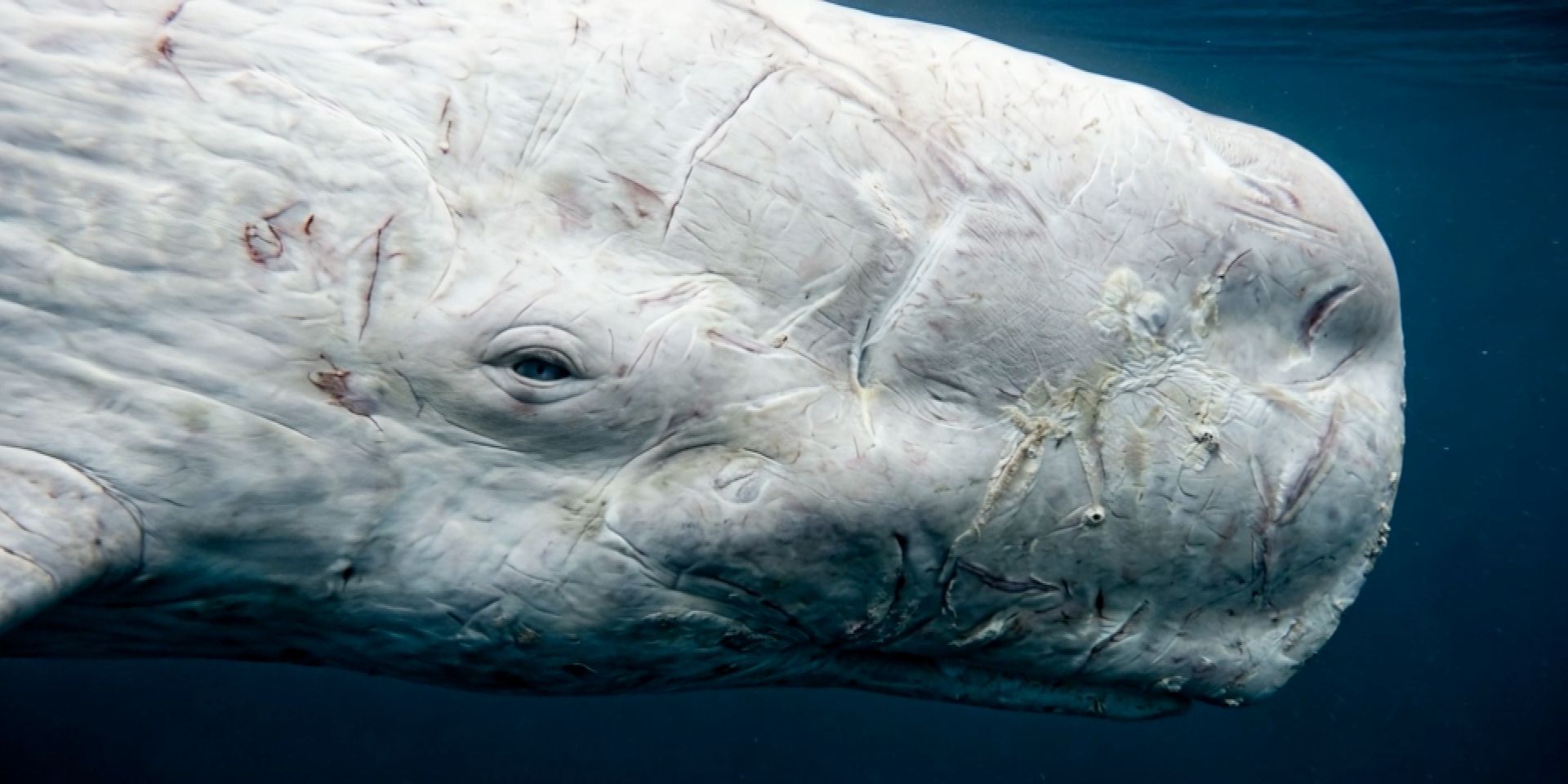
Moby-Dick
Titan of American literature whose masterpiece was forgotten for forty years.
Lesson Plan
- Lesson Length : 10 Lessons ㆍ 2 hours 00 miutes
- Language : 한국어, English
Lesson 1. Call Me Ishmael
FREE 11:36
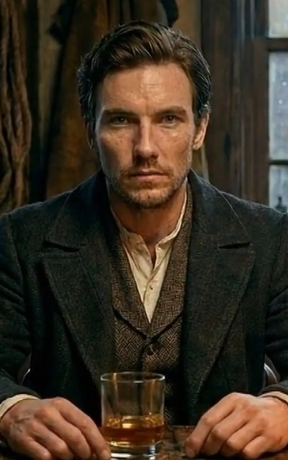
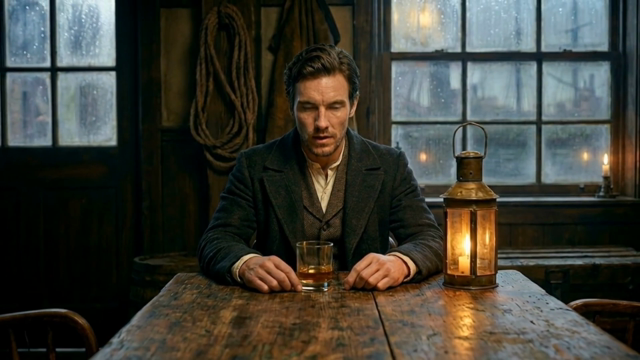
Call me Ishmael. The most famous opening sentence in the history of world literature. Ishmael, a young sailor who resolves to go to sea to wash away his isolation and low spirits ashore, arrives at the Spouter-Inn in New Bedford harbour. On the first night, he must share a bed with a strange harpooneer, Queequeg. The prologue to a magnificent voyage.
Lesson 2. Ishmael and Queequeg, Bosom Friends
11:31
In a single night, Ishmael and Queequeg—a tattooed harpooneer from a cannibal island—form a deep friendship. Father Mapple's sermon on Jonah in the Whaleman's Chapel: Jonah in the belly of the whale. The two sign on to the Pequod in Nantucket. The ominous warning of the prophet Elijah. A friendship that transcends race and religion becomes the spiritual foundation of the voyage.
Lesson 3. The Pequod Sets Sail for the Sea
12:33
The Pequod departs Nantucket. Captain Ahab remains unseen. First mate Starbuck, second mate Stubb, third mate Flask. Three harpooneers: Queequeg, Tashtego, Daggoo. At last, Ahab appears on deck—one leg replaced by a prosthesis carved from sperm whale bone. The whaling voyage of the Pequod begins.
Lesson 4. Ahab Swears Vengeance
11:48
Ahab summons the entire crew on deck. Nailing a gold doubloon to the mast, he declares: to the man who kills Moby Dick, this coin. Moby Dick is the great white sperm whale that took Ahab's leg. Starbuck's protest, the crew's frenzy, the world of cetology. The moment it becomes clear that the voyage's purpose is not whaling but vengeance.
Lesson 5. The Legend of Moby Dick, the White Whale
11:50
What is the white whale? Ishmael asks: why is whiteness so terrifying? The loom of time, warp and woof—necessity, free will, chance. Legends of Moby Dick circulate the seas: he deflects bullets, he cannot be killed, he appears in several oceans at once. Ishmael's philosophical meditation on what Ahab's obsession means beyond mere revenge.
Lesson 6. Cutting In the Sperm Whale
11:49
A whale is caught at last in the Indian Ocean. An encounter with a giant squid. Cutting in: the hard labour of stripping the blubber. Tashtego falls into the Heidelburgh Tun—the sperm whale's head—and nearly drowns, rescued by Queequeg. Whale oil boiling through the night in the try-works, and Ishmael's discovery of the nature of the world within it.
Lesson 7. The Pequod, Heading Into the Pacific
11:20
In the Java Sea, Pip falls overboard and is abandoned; the shock shatters his mind. An encounter with the Samuel Enderby—an English captain who lost his arm to Moby Dick, as Ahab lost his leg. Queequeg falls ill and has a coffin made to his measure. The Pequod heads for the Pacific. As the premonition of ruin deepens, Ahab's madness crosses a point of no return.
Lesson 8. Ahab's Harpooner Prophesies
11:58
The Pacific. A typhoon strikes the Pequod. St. Elmo's fire blazes at the masthead. Ahab brandishes his harpoon and declares his fearlessness. The prophecy of Fedallah, Ahab's secret harpooner: he will die before Ahab; Ahab's hearse will be neither American nor English-made; Ahab shall die only by hemp. News arrives that the Rachel has sighted Moby Dick.
Lesson 9. Chasing Moby Dick
12:46
The day of fate arrives. Moby Dick appears. The three-day chase begins. On the first day, three boats are lowered and Ahab himself hurls the harpoon. Fedallah, tangled in the whale line, becomes the first victim. On the second day, the whale smashes the boats and disappears. As the prophecies fulfil themselves one by one, Starbuck makes a final plea to Ahab.
Lesson 10. And I Only Am Escaped Alone to Tell Thee
13:04
The third day. Moby Dick charges the Pequod. The hull is stove in; the harpoon line coils around Ahab's neck and drags him into the sea. The Pequod sinks into the vortex; sharks swarm. Only Ishmael survives, clinging to Queequeg's coffin life-buoy. The Rachel rescues him. 'Call me Ishmael'---the end of the story, and the beginning of this testimony.
Captain Ahab's mad pursuit of the white whale, told by its sole survivor.
Herman Melville's 1851 novel, a masterpiece of maritime literature that depicts Captain Ahab's mad vengeance against the white whale and his destruction, as witnessed by Ishmael---the sole survivor of the whaling ship Pequod. Notorious as the archetypal 'brick'---a book almost no one finishes---its textual barriers are broken down through AI-generated imagery of vast open seas and the overwhelming presence of the white whale. Ahab's obsession with Moby Dick is a portrait of our own age, in which algorithms amplify desire. To those who have lost their way at the border between purpose and obsession, this classic asks: what is your Moby Dick?
Author/Advisor
Author
Herman Melville
- Born in New York (1819). After the family's financial ruin, left school at fifteen and went to sea. Sailed on the whaling ship Acushnet from 1841 to 1844, voyaging through the Pacific and South Pacific and accumulating the experiences that became the raw material of his fiction
- Achieved literary success with early sea novels Typee (1846) and Omoo (1847). His meeting with Nathaniel Hawthorne in 1850 had a decisive influence on the writing of Moby-Dick
- Published Moby-Dick (1851). A commercial failure in its time. He lived in literary obscurity and financial hardship until his death in 1891. Rediscovered in the twentieth century and now recognised as the supreme masterpiece of American literature
- Major works: Typee (1846), Omoo (1847), Moby-Dick (1851), Pierre (1852), Bartleby the Scrivener (1853), Billy Budd (published posthumously, 1924)
A titan of American literature and the author of Moby-Dick. Born in New York in 1819, he was forced to leave school at fifteen after his father's bankruptcy and early death, and went to sea. In 1841 he shipped out on the whaling vessel Acushnet and sailed the Pacific first-hand, accumulating the experiences that would form the skeleton of Moby-Dick. His friendship with Nathaniel Hawthorne in 1850 struck the decisive spark that shaped the novel's final form. Published in 1851 to harsh reviews and commercial failure, the book was forgotten for forty years, and Melville died in obscurity in 1891 — only to be rediscovered in the twentieth century as the supreme masterpiece of American literature. His influence reaches across Nietzsche, Freud, Faulkner, and Camus.
Visual Journey
Call Me Ishmael
Call me Ishmael. The most famous opening sentence in the history of world literature. Ishmael, a young sailor who resolves to go to sea to wash away his isolation and low spirits ashore, arrives at the Spouter-Inn in New Bedford harbour. On the first night, he must share a bed with a strange harpooneer, Queequeg. The prologue to a magnificent voyage.
Ishmael and Queequeg, Bosom Friends
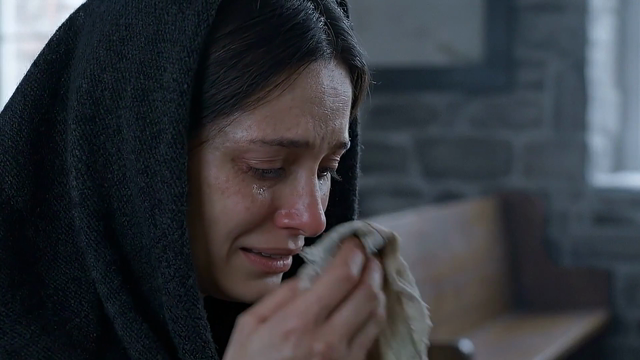
In a single night, Ishmael and Queequeg—a tattooed harpooneer from a cannibal island—form a deep friendship. Father Mapple's sermon on Jonah in the Whaleman's Chapel: Jonah in the belly of the whale. The two sign on to the Pequod in Nantucket. The ominous warning of the prophet Elijah. A friendship that transcends race and religion becomes the spiritual foundation of the voyage.
The Pequod Sets Sail for the Sea
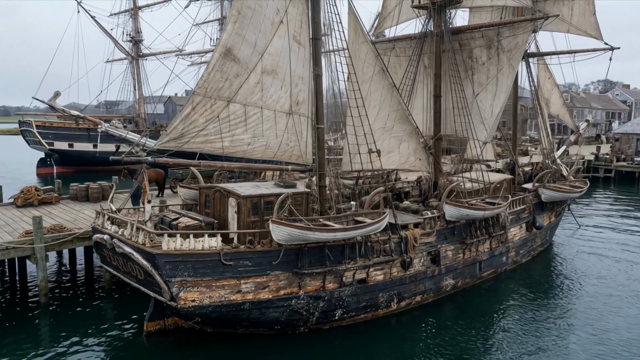
The Pequod departs Nantucket. Captain Ahab remains unseen. First mate Starbuck, second mate Stubb, third mate Flask. Three harpooneers: Queequeg, Tashtego, Daggoo. At last, Ahab appears on deck—one leg replaced by a prosthesis carved from sperm whale bone. The whaling voyage of the Pequod begins.
Ahab Swears Vengeance
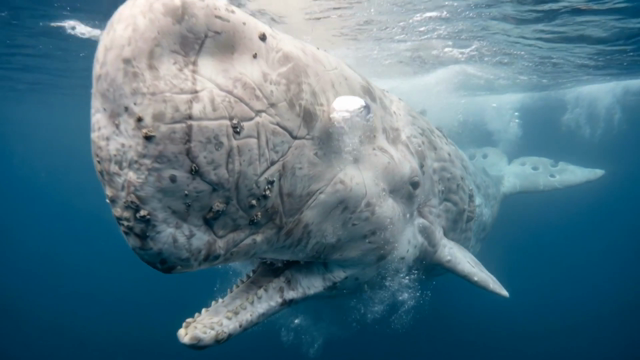
Ahab summons the entire crew on deck. Nailing a gold doubloon to the mast, he declares: to the man who kills Moby Dick, this coin. Moby Dick is the great white sperm whale that took Ahab's leg. Starbuck's protest, the crew's frenzy, the world of cetology. The moment it becomes clear that the voyage's purpose is not whaling but vengeance.
The Legend of Moby Dick, the White Whale
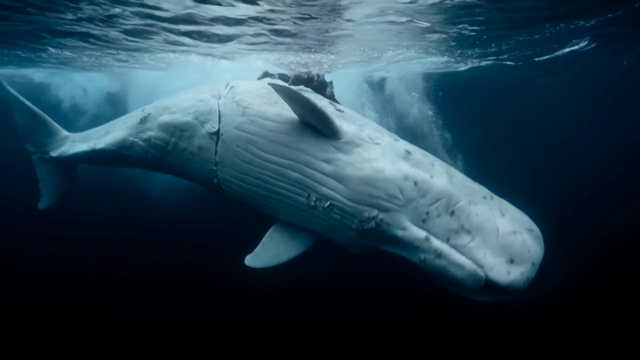
What is the white whale? Ishmael asks: why is whiteness so terrifying? The loom of time, warp and woof—necessity, free will, chance. Legends of Moby Dick circulate the seas: he deflects bullets, he cannot be killed, he appears in several oceans at once. Ishmael's philosophical meditation on what Ahab's obsession means beyond mere revenge.
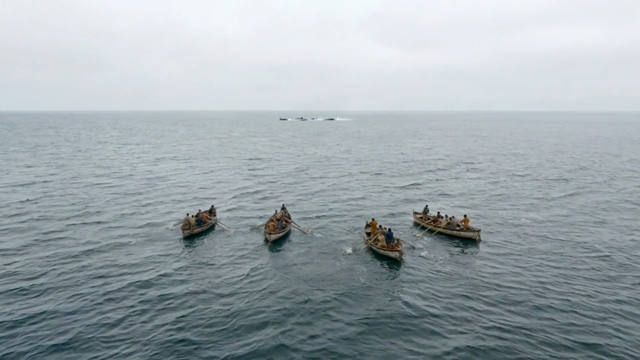
Cutting In the Sperm Whale
A whale is caught at last in the Indian Ocean. An encounter with a giant squid. Cutting in: the hard labour of stripping the blubber. Tashtego falls into the Heidelburgh Tun—the sperm whale's head—and nearly drowns, rescued by Queequeg. Whale oil boiling through the night in the try-works, and Ishmael's discovery of the nature of the world within it.
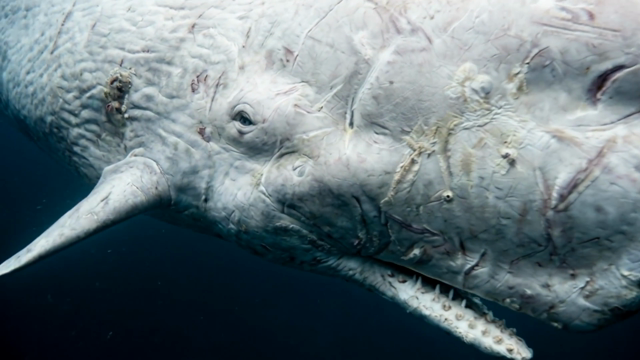
The Pequod, Heading Into the Pacific
In the Java Sea, Pip falls overboard and is abandoned; the shock shatters his mind. An encounter with the Samuel Enderby—an English captain who lost his arm to Moby Dick, as Ahab lost his leg. Queequeg falls ill and has a coffin made to his measure. The Pequod heads for the Pacific. As the premonition of ruin deepens, Ahab's madness crosses a point of no return.
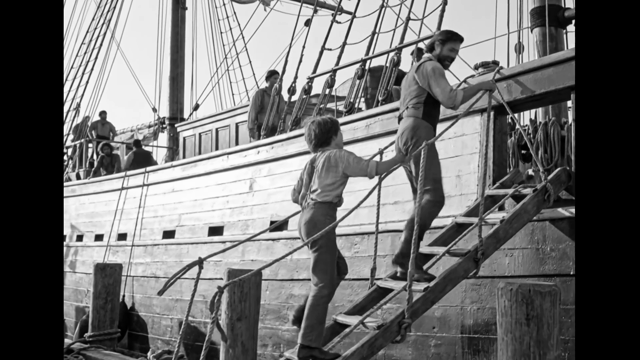
Ahab's Harpooner Prophesies
The Pacific. A typhoon strikes the Pequod. St. Elmo's fire blazes at the masthead. Ahab brandishes his harpoon and declares his fearlessness. The prophecy of Fedallah, Ahab's secret harpooner: he will die before Ahab; Ahab's hearse will be neither American nor English-made; Ahab shall die only by hemp. News arrives that the Rachel has sighted Moby Dick.
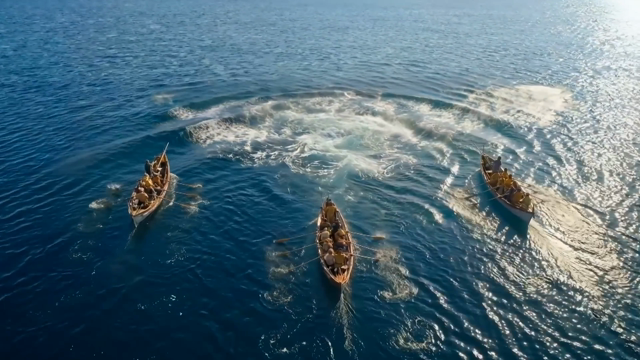
Chasing Moby Dick
The day of fate arrives. Moby Dick appears. The three-day chase begins. On the first day, three boats are lowered and Ahab himself hurls the harpoon. Fedallah, tangled in the whale line, becomes the first victim. On the second day, the whale smashes the boats and disappears. As the prophecies fulfil themselves one by one, Starbuck makes a final plea to Ahab.
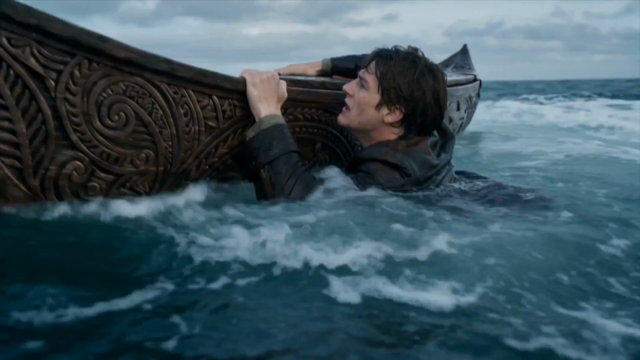
And I Only Am Escaped Alone to Tell Thee
The third day. Moby Dick charges the Pequod. The hull is stove in; the harpoon line coils around Ahab's neck and drags him into the sea. The Pequod sinks into the vortex; sharks swarm. Only Ishmael survives, clinging to Queequeg's coffin life-buoy. The Rachel rescues him. 'Call me Ishmael'---the end of the story, and the beginning of this testimony.
The Deep Insight
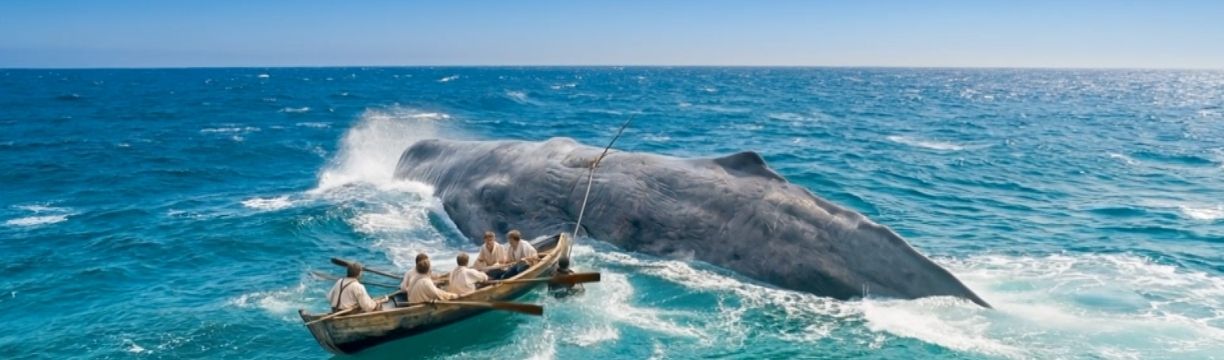
At the border between purpose and obsession, what is your Moby Dick?