Politics
Niccolò Machiavelli
The Prince
Renaissance Florentine diplomat and father of modern political science.
Lesson Plan
- Lesson Length : 10 Lessons ㆍ 1 hours 58 miutes
- Language : 한국어, English
Lesson 1. Machiavelli, Dissecting Power
FREE 11:51
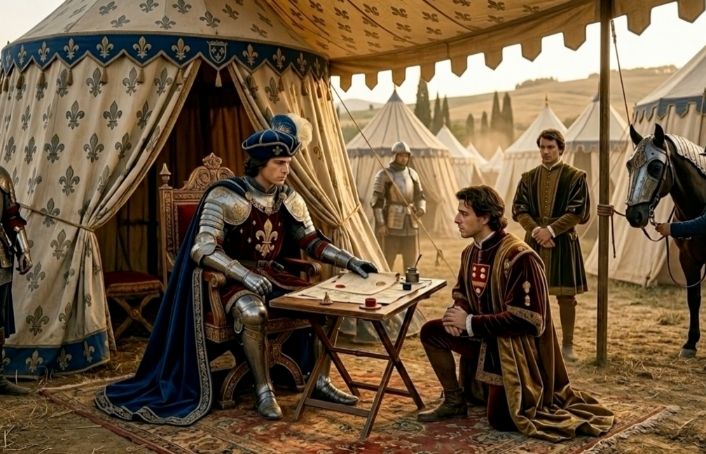
Winter, 1513. The dungeons of the Bargello. The strappado—arms bound behind the back, hoisted to the ceiling, then dropped. In this extremity of pain, Machiavelli did not break. Months earlier, at forty-three, he had been dismissed as Second Chancellor of the Florentine Republic; around him lay a fragmented Italy, divided power, unending foreign invasion. Why he was compelled to write The Prince—Machiavelli speaks from the scene of his torment.
Lesson 2. Old Roots Are Not Easily Uprooted
11:35
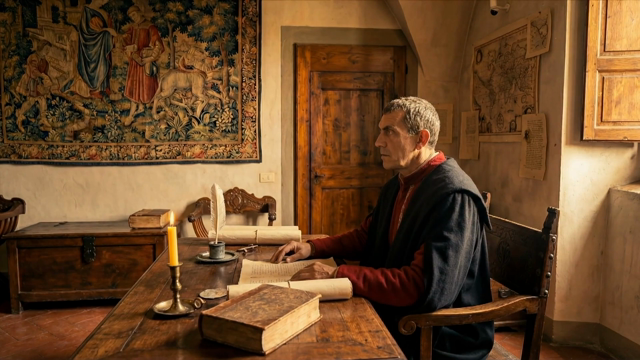
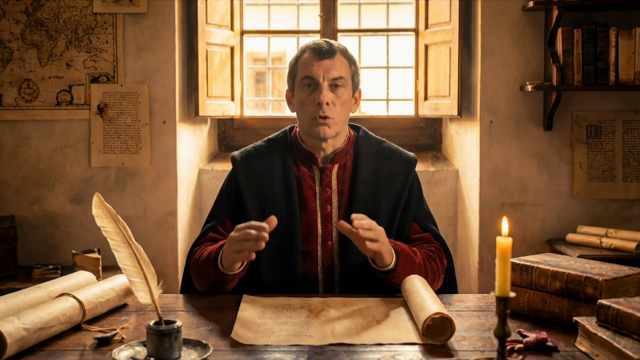
Hereditary principalities, mixed principalities, civic principalities, ecclesiastical principalities. Machiavelli dissects the anatomy of power. Why do ancient dynasties rarely fall? Why is newly acquired territory always unstable? Different terrains of power demand different principles of rule. From the study of Villa Machiavelli, by candlelight, he teaches the basic grammar of power.
Lesson 3. Treat Them Well or Crush Them
11:27
What must a prince do upon acquiring new territory? The rule of retribution: men avenge small injuries but cannot avenge great ones—so what follows? Colonization strategy, the principles for ruling former republics, the six mistakes Louis XII made in Italy. Machiavelli dissects the failures of history with cold precision to extract the laws of conquest.
Lesson 4. Cruelties All at Once, Benefits Drop by Drop
11:56
Cesare Borgia—the man Machiavelli admired most. How did he create power from nothing? What is cruelty—and what distinguishes cruelty well used from cruelty ill used? The cases of Agathocles and Oliverotto da Fermo. Inflict injuries all at once; dispense benefits gradually. Machiavelli shows how the timing of cruelty and kindness decides whether a ruler endures.
Lesson 5. Mercenaries Will Not Protect You
12:20
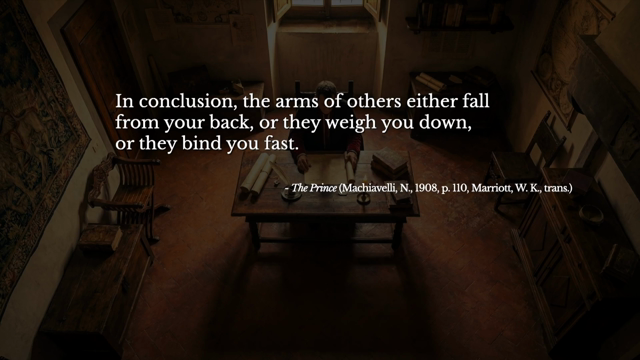
Mercenaries are slow in war and predatory in peace. Auxiliary forces are dangerous whether they win or lose. What ruined Italy was not foreign invasion but the princes who relied on hired swords. Francesco Sforza, David and Goliath. A prince must have his own arms. Machiavelli diagnoses Italy's tragedy as a failure of military independence.
Lesson 6. Better to Be Stingy Than Generous
12:04
The generous prince exhausts his treasury and is forced to plunder his own people. Is parsimony a vice or a virtue? Julius Caesar seized power through liberality—but had he lived on without curbing his spending, it would have destroyed him. The cases of Pope Julius II and Louis XII. Machiavelli demonstrates with cold precision that apparent virtue and effectively useful virtue are not the same thing.
Lesson 7. Better to Be Feared Than Loved
11:33
"It is best to be both loved and feared. But if one must choose, it is far safer to be feared." The cold truth of human nature: men abandon love when their interests change, but the fear of punishment does not fade so easily. Yet: never touch private property. Hatred is more dangerous than fear.
Lesson 8. Be Both the Lion and the Fox
12:19
A prince must be as strong as a lion and as cunning as a fox. Is keeping one's word always a virtue? Pope Alexander VI lived by deception his entire life—and executed it perfectly. The ruthless survival tactics of Emperor Septimius Severus. Machiavelli states plainly: what matters is not actually possessing virtues, but appearing to possess them. This is why the Church placed the book on its Index of Prohibited Books.
Lesson 9. No Wise Counsel for a Foolish Prince
11:27
The court is full of flatterers. To avoid them, a prince must declare his willingness to hear hard truths—but if everyone speaks freely, his authority collapses. The failure of Emperor Maximilian I. Good counsel springs from the prince's own wisdom—not the reverse. Machiavelli dissects the information ecology of power.
Lesson 10. Stand Against the Raging River of Fortune
11:47
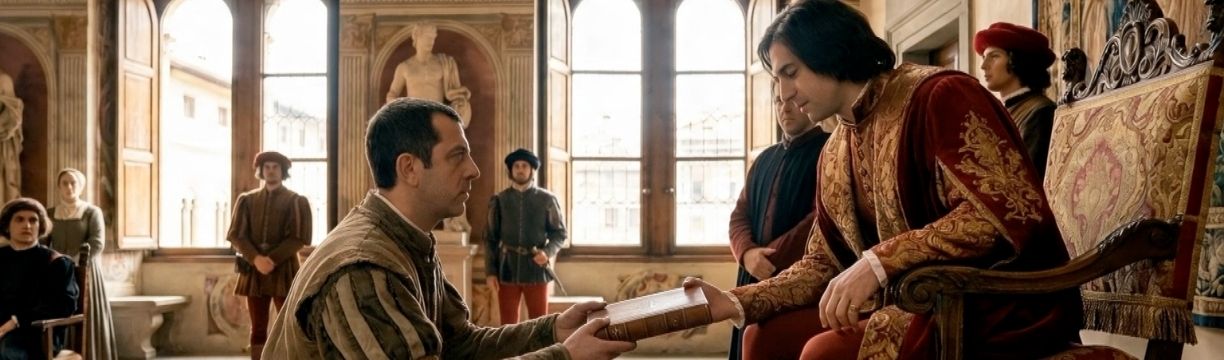
Fortune is like a flooding river—but dikes and dams built in advance limit the damage. Fortune governs half our actions; the other half remains in our own hands. The bold succeed where the cautious fail. In the final chapter of The Prince, Machiavelli appeals to the Medici: become the great prince who redeems Italy from foreign domination. A philosophy of power that remains as relevant five hundred years on.
The most contested philosophy of power in the history of ideas.
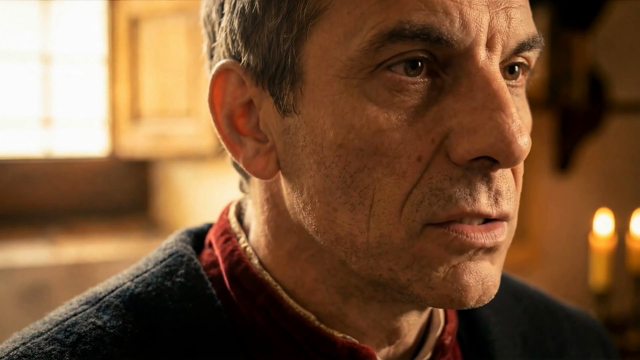
Must a prince be good, or must he be strong? Should he be loved or feared? Must he keep his word—or may he break it when necessary? The questions Machiavelli posed in 1513, from the depths of torture and exile, still cut most sharply to the heart of power five hundred years on. Former Second Chancellor of the Florentine Republic and consummate diplomat, Machiavelli speaks directly from the study of Villa Machiavelli. The cold truth of human nature, the separation of politics from morality, and the most contested philosophy of power in the history of ideas.
Author/Advisor
Author
Niccolò Machiavelli
- Second Chancellor of the Florentine Republic (1498–1512); served fourteen years as diplomatic envoy
- A consummate diplomat who negotiated directly with Cesare Borgia, Louis XII, and Pope Julius II
- After the Medici restoration: subjected to the strappado and exiled to Sant'Andrea in Percussina, where he wrote The Prince (1513)
- Major works: The Prince (written 1513, published posthumously 1532), Discourses on Livy, Florentine Histories, comedy Mandragola
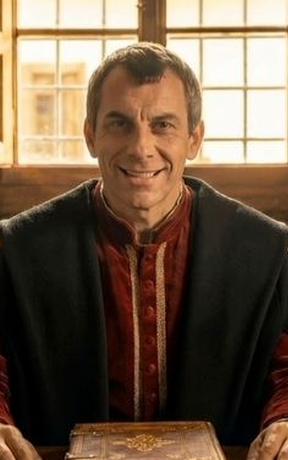
Politician, diplomat, and father of modern political science in Renaissance Florence. As Second Chancellor of the Florentine Republic for fourteen years, he negotiated directly with the greatest powers of his age—Cesare Borgia, Louis XII, Pope Julius II. Stripped of office with the return of the Medici in 1512, he endured torture and exile. From the depths of that despair, he wrote The Prince, declaring the separation of politics from morality and laying the foundation of modern political thought. The author of the most contested classic to survive five hundred years of praise and condemnation.
Visual Journey
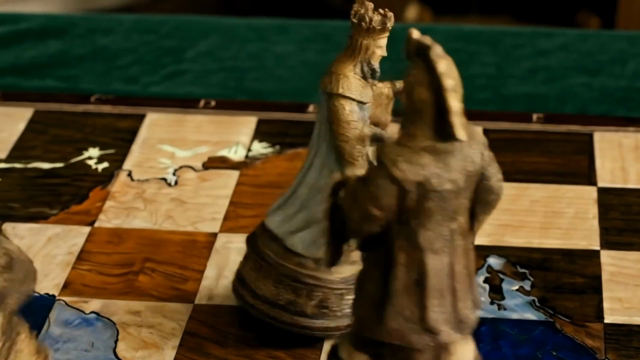
Machiavelli, Dissecting Power
Winter, 1513. The dungeons of the Bargello. The strappado—arms bound behind the back, hoisted to the ceiling, then dropped. In this extremity of pain, Machiavelli did not break. Months earlier, at forty-three, he had been dismissed as Second Chancellor of the Florentine Republic; around him lay a fragmented Italy, divided power, unending foreign invasion. Why he was compelled to write The Prince—Machiavelli speaks from the scene of his torment.
Old Roots Are Not Easily Uprooted
Hereditary principalities, mixed principalities, civic principalities, ecclesiastical principalities. Machiavelli dissects the anatomy of power. Why do ancient dynasties rarely fall? Why is newly acquired territory always unstable? Different terrains of power demand different principles of rule. From the study of Villa Machiavelli, by candlelight, he teaches the basic grammar of power.
Treat Them Well or Crush Them
What must a prince do upon acquiring new territory? The rule of retribution: men avenge small injuries but cannot avenge great ones—so what follows? Colonization strategy, the principles for ruling former republics, the six mistakes Louis XII made in Italy. Machiavelli dissects the failures of history with cold precision to extract the laws of conquest.
Cruelties All at Once, Benefits Drop by Drop
Cesare Borgia—the man Machiavelli admired most. How did he create power from nothing? What is cruelty—and what distinguishes cruelty well used from cruelty ill used? The cases of Agathocles and Oliverotto da Fermo. Inflict injuries all at once; dispense benefits gradually. Machiavelli shows how the timing of cruelty and kindness decides whether a ruler endures.
Mercenaries Will Not Protect You
Mercenaries are slow in war and predatory in peace. Auxiliary forces are dangerous whether they win or lose. What ruined Italy was not foreign invasion but the princes who relied on hired swords. Francesco Sforza, David and Goliath. A prince must have his own arms. Machiavelli diagnoses Italy's tragedy as a failure of military independence.
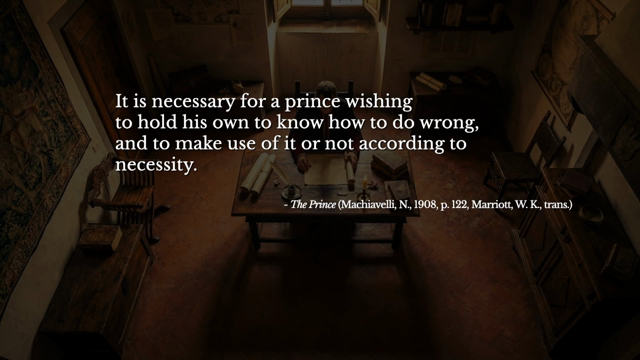
Better to Be Stingy Than Generous
The generous prince exhausts his treasury and is forced to plunder his own people. Is parsimony a vice or a virtue? Julius Caesar seized power through liberality—but had he lived on without curbing his spending, it would have destroyed him. The cases of Pope Julius II and Louis XII. Machiavelli demonstrates with cold precision that apparent virtue and effectively useful virtue are not the same thing.
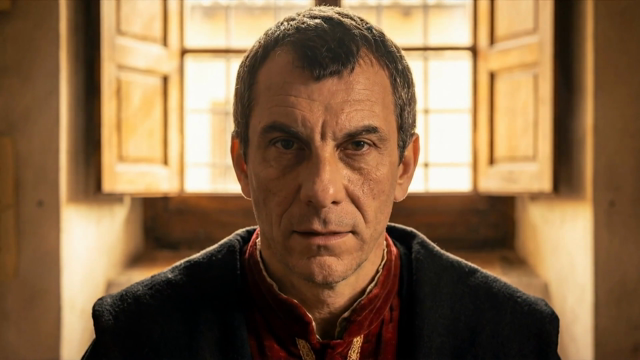
Better to Be Feared Than Loved
"It is best to be both loved and feared. But if one must choose, it is far safer to be feared." The cold truth of human nature: men abandon love when their interests change, but the fear of punishment does not fade so easily. Yet: never touch private property. Hatred is more dangerous than fear.
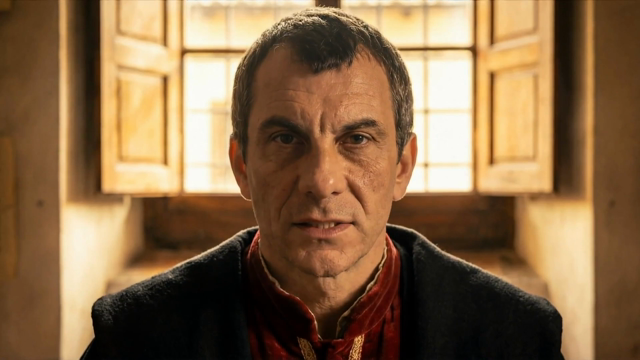
Be Both the Lion and the Fox
A prince must be as strong as a lion and as cunning as a fox. Is keeping one's word always a virtue? Pope Alexander VI lived by deception his entire life—and executed it perfectly. The ruthless survival tactics of Emperor Septimius Severus. Machiavelli states plainly: what matters is not actually possessing virtues, but appearing to possess them. This is why the Church placed the book on its Index of Prohibited Books.
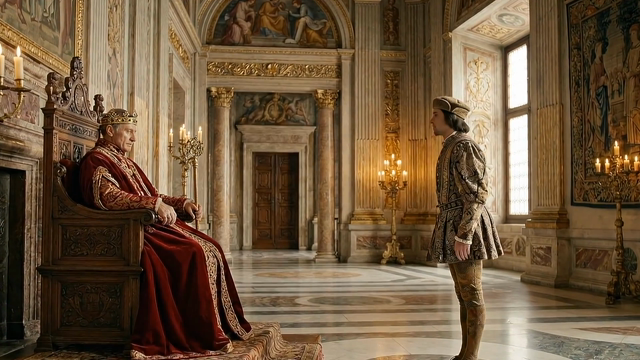
No Wise Counsel for a Foolish Prince
The court is full of flatterers. To avoid them, a prince must declare his willingness to hear hard truths—but if everyone speaks freely, his authority collapses. The failure of Emperor Maximilian I. Good counsel springs from the prince's own wisdom—not the reverse. Machiavelli dissects the information ecology of power.
Stand Against the Raging River of Fortune
Fortune is like a flooding river—but dikes and dams built in advance limit the damage. Fortune governs half our actions; the other half remains in our own hands. The bold succeed where the cautious fail. In the final chapter of The Prince, Machiavelli appeals to the Medici: become the great prince who redeems Italy from foreign domination. A philosophy of power that remains as relevant five hundred years on.
The Deep Insight
If you had to choose between being loved and being feared, which would you choose?