Economy
Adam Smith
The Wealth of Nations
Scottish moral philosopher and author of The Wealth of Nations, known as the father of modern economics
Lesson Plan
- Lesson Length : 10 Lessons ㆍ 2 hours 01 miutes
- Language : 한국어, English
Lesson 1. The Walking Philosopher of Glasgow
11:43
A bronze statue on Edinburgh's Royal Mile comes to life and begins to walk. As Adam Smith strides through 18th-century Scotland—the harbor of Kirkcaldy, the markets of Glasgow, the shadowed back lanes of Oxford—every scene his eyes rest upon becomes a question that will one day become The Wealth of Nations. Absent-minded? No. He was the sharpest observer of his age.
Lesson 2. The Great Revolution of the Pin Factory
12:26
What is the wealth of a nation? Smith finds the answer not in gold and silver, but in labour. The first great insight of The Wealth of Nations: the division of labour. Watch eighteen workers in a pin factory produce 48,000 pins in a single day—a feat impossible for any individual alone. The real source of national prosperity begins here.
Lesson 3. Man as a Trading Being: Money, Labour, and Real Wealth
11:38
Dogs never exchange bones. But humans have traded since the beginning of time—and Smith finds in this simple fact the foundation of all civilization. Labour is the real price of every commodity, the original currency. Money made exchange convenient, but true wealth is not the coin itself—it is the labour the coin can command. The birth of homo economicus.
Lesson 4. The Gravity of Price: The Beginning of Invisible Order
11:36
The invisible hand appears just once in all of The Wealth of Nations. But what we encounter every day is the price tag. Behind every price, three interests are woven together: the landlord's rent, the labourer's wages, the stockholder's profit. Between natural price and market price lies a kind of gravity. Smith explains how individual self-interest quietly produces social order.
Lesson 5. Wages, Profit, Rent—and the Question of Distribution
12:02
Where does wealth come from—and where does it go? These two questions drive the whole of Book One of The Wealth of Nations. What causes the improvement of labour's productivity? And how is the produce distributed across society? What determines wages, profits, rent? Smith lays open the anatomy of 18th-century British economic life.
Lesson 6. Dead Stock and the Living Wheel: Capital, Money, and National Prosperity
12:12
Ten thousand pounds locked in a chest—am I wealthy? No. I may be growing poorer by the day. Money is the great wheel of circulation, not wealth itself. The distinction between fixed and circulating capital, productive and unproductive labour, and the principle by which parsimony builds capital. Smith reads the logic of national prosperity in the management of private stock.
Lesson 7. Unintended Revolution: Natural Order and the Wealth of Nations
12:26
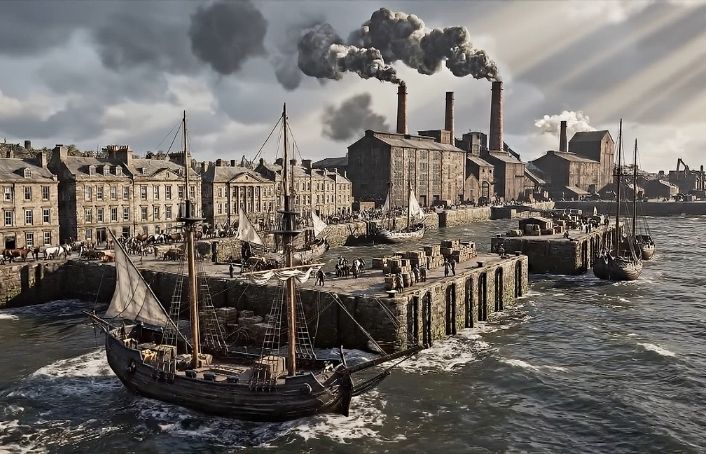
Is the fastest road always the right road? London's port was the centre of the world, yet England's tenant farmers remained poor. The natural order of development runs: agriculture, manufactures, foreign commerce. England inverted this sequence. Primogeniture, entail—the laws that chained land distorted the natural course of opulence. Smith dissects history.
Lesson 8. The Invisible Hand: Freedom, Mercantilism, and the Wealth of Nations
12:24
The invisible hand as we know it today is largely a myth made by Paul Samuelson's 1948 textbook. What Smith actually fought was mercantilism—the doctrine that a favourable balance of trade was national wealth, that the state must control everything. Why free trade benefits all, why protective tariffs are harmful. Smith explains what the invisible hand actually meant.
Lesson 9. The Price of Privilege: Monopoly, the Colonies, and the Forgotten Consumer
12:22
Export a live sheep—first offence: forfeit everything, one year in prison, left hand severed and nailed in the public market. Second offence: death. This was the law of England in Smith's own lifetime, to protect the woollen trade. How monopoly exploits the consumer. Who truly benefited from colonial trade. Smith confronts the economic fiction of empire head-on.
Lesson 10. The Visible Hand: Duties of the Sovereign
12:24
Smith spent his final twelve years as Commissioner of Customs for Scotland. He never argued for a merely small government—he made a precise distinction between what governments must do and what they must not. Defence, justice, public works, education: the things markets cannot do alone. And four maxims of taxation. In this final lecture, Smith defines the proper role of the state.
Why are some nations rich and others poor?
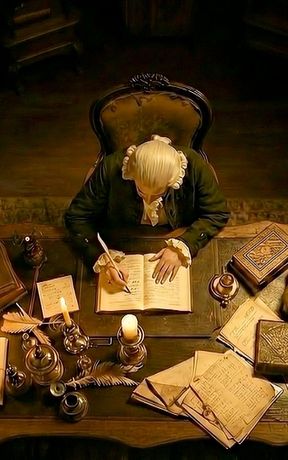
What is the wealth of a nation? Why are some countries rich and others poor? Why does society hold together when everyone pursues only their own interest? The questions Adam Smith posed in The Wealth of Nations in 1776 remain as urgent as ever 250 years on. From the harbour of Kirkcaldy to the markets of Glasgow, from the back lanes of Oxford to the study in Edinburgh—Smith himself presents the insights he gathered across a lifetime of walking and observing. Division of labour, the invisible hand, free trade, capital, monopoly, the duties of the sovereign: ten ideas that became the foundation of modern economics.
Author/Advisor
Author
Adam Smith
· Born in Kirkcaldy, Scotland; Professor of Moral Philosophy at the University of Glasgow (1752–1764)
· Travelled through France as tutor to the Duke of Buccleuch (1764–1766); met Voltaire, Quesnay, Turgot and other Enlightenment thinkers
· Completed The Wealth of Nations (1776) after ten years of writing—published the same year as the American Declaration of Independence
· Served as Commissioner of Customs for Scotland (1778–1790); never married
· Major works: The Theory of Moral Sentiments (1759), The Wealth of Nations (1776)
Scottish economist and moral philosopher. His Wealth of Nations (1776) systematically argued the principles of division of labour, free markets, and capital, laying the foundation of modern economics. His insight that individual self-interest, guided by an invisible hand, produces collective benefit established the theory of free trade and ended the era of mercantilism. He is widely called the 'father of modern economics.'
Visual Journey
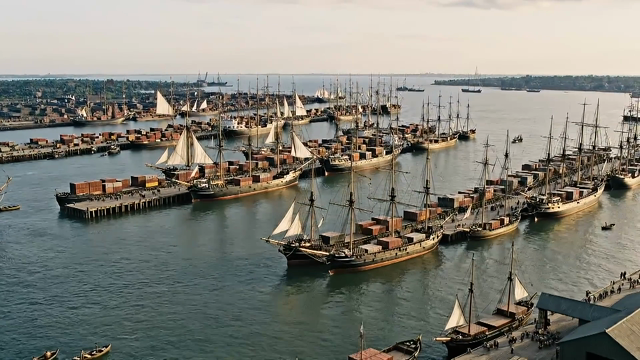
The Walking Philosopher of Glasgow
A bronze statue on Edinburgh's Royal Mile comes to life and begins to walk. As Adam Smith strides through 18th-century Scotland—the harbor of Kirkcaldy, the markets of Glasgow, the shadowed back lanes of Oxford—every scene his eyes rest upon becomes a question that will one day become The Wealth of Nations. Absent-minded? No. He was the sharpest observer of his age.

The Great Revolution of the Pin Factory
What is the wealth of a nation? Smith finds the answer not in gold and silver, but in labour. The first great insight of The Wealth of Nations: the division of labour. Watch eighteen workers in a pin factory produce 48,000 pins in a single day—a feat impossible for any individual alone. The real source of national prosperity begins here.
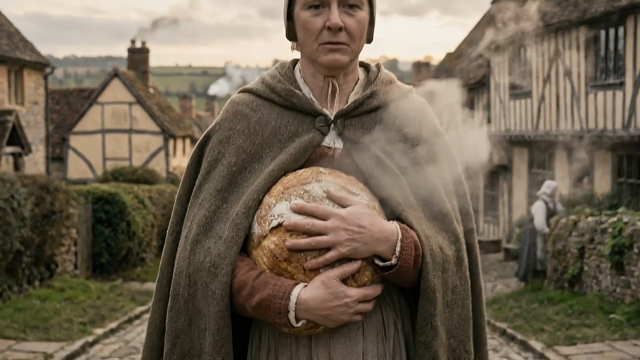
Man as a Trading Being: Money, Labour, and Real Wealth
Dogs never exchange bones. But humans have traded since the beginning of time—and Smith finds in this simple fact the foundation of all civilization. Labour is the real price of every commodity, the original currency. Money made exchange convenient, but true wealth is not the coin itself—it is the labour the coin can command. The birth of homo economicus.

The Gravity of Price: The Beginning of Invisible Order
The invisible hand appears just once in all of The Wealth of Nations. But what we encounter every day is the price tag. Behind every price, three interests are woven together: the landlord's rent, the labourer's wages, the stockholder's profit. Between natural price and market price lies a kind of gravity. Smith explains how individual self-interest quietly produces social order.
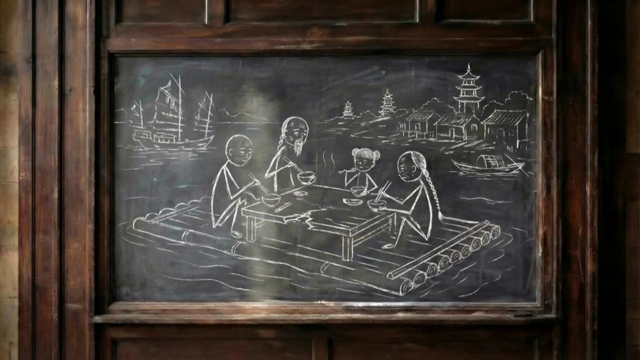
Wages, Profit, Rent—and the Question of Distribution
Where does wealth come from—and where does it go? These two questions drive the whole of Book One of The Wealth of Nations. What causes the improvement of labour's productivity? And how is the produce distributed across society? What determines wages, profits, rent? Smith lays open the anatomy of 18th-century British economic life.
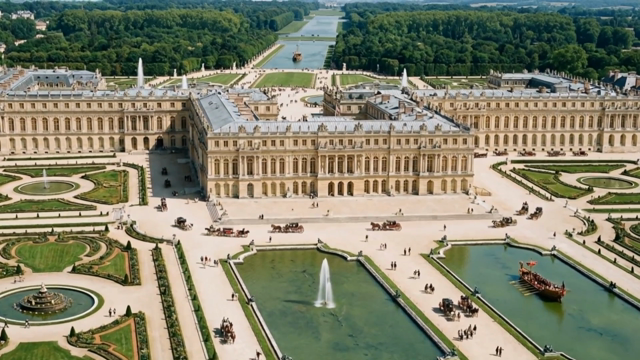
Dead Stock and the Living Wheel: Capital, Money, and National Prosperity
Ten thousand pounds locked in a chest—am I wealthy? No. I may be growing poorer by the day. Money is the great wheel of circulation, not wealth itself. The distinction between fixed and circulating capital, productive and unproductive labour, and the principle by which parsimony builds capital. Smith reads the logic of national prosperity in the management of private stock.
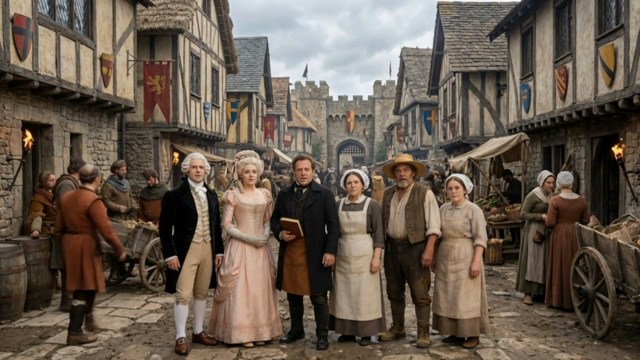
Unintended Revolution: Natural Order and the Wealth of Nations
Is the fastest road always the right road? London's port was the centre of the world, yet England's tenant farmers remained poor. The natural order of development runs: agriculture, manufactures, foreign commerce. England inverted this sequence. Primogeniture, entail—the laws that chained land distorted the natural course of opulence. Smith dissects history.
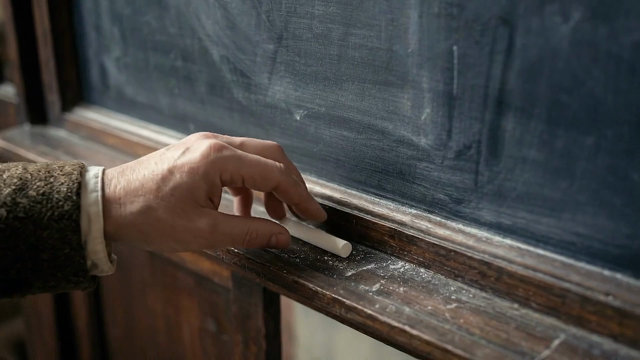
The Invisible Hand: Freedom, Mercantilism, and the Wealth of Nations
The invisible hand as we know it today is largely a myth made by Paul Samuelson's 1948 textbook. What Smith actually fought was mercantilism—the doctrine that a favourable balance of trade was national wealth, that the state must control everything. Why free trade benefits all, why protective tariffs are harmful. Smith explains what the invisible hand actually meant.

The Price of Privilege: Monopoly, the Colonies, and the Forgotten Consumer
Export a live sheep—first offence: forfeit everything, one year in prison, left hand severed and nailed in the public market. Second offence: death. This was the law of England in Smith's own lifetime, to protect the woollen trade. How monopoly exploits the consumer. Who truly benefited from colonial trade. Smith confronts the economic fiction of empire head-on.
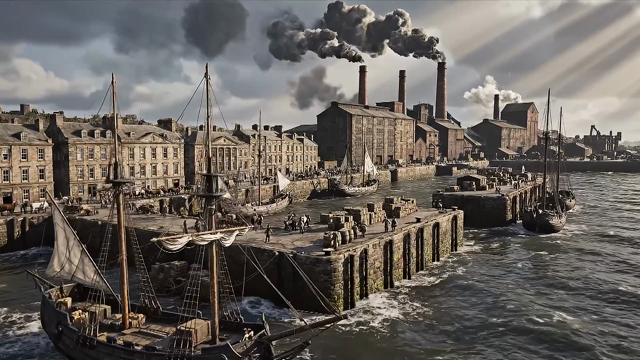
The Visible Hand: Duties of the Sovereign
Smith spent his final twelve years as Commissioner of Customs for Scotland. He never argued for a merely small government—he made a precise distinction between what governments must do and what they must not. Defence, justice, public works, education: the things markets cannot do alone. And four maxims of taxation. In this final lecture, Smith defines the proper role of the state.
The Deep Insight
Service Change Notice
As of April 3, 2024, GREAT MINDS is now operated by Ubion CO LTD.
As a result, there is a change in membership, so We’re informing you.
Discontinuation of Membership Subscription Auto-Renewal
Memberships subscribed before April 3rd will not automatically renew and will expire. Therefore, if you wish to continue using the membership, please proceed with the subscription after the expiration of the subscription.Increase in Membership Subscription Prices
The prices of membership subscriptions have been increased due to rising labor and material costs. We sincerely appreciate your understanding regarding this price adjustment.| Before | After | |
|---|---|---|
| Monthly Membership | $ 4.99 | $ 9.99 |
| Annually Membership | $ 49.99 | $ 99.99 |
* The won price of the monthly/annual membership for Koreans has risen to 12,000 won and 120,000 won, respectively.
Thank you for your understanding
If you have any further inquiries, Contact Us
Service Update
Global lecture, G is becoming Grecture.
Expanded AI feature are powering the next evolution of the service.
Effective January 2, 2026
Domain: https://www.grecture.com
Automatic redirection will be provided.
Subscription:
Price changes from $9.99 to $15.
Auto-renewal will end. Please resubscribe to continue.
Thank you for being with us.